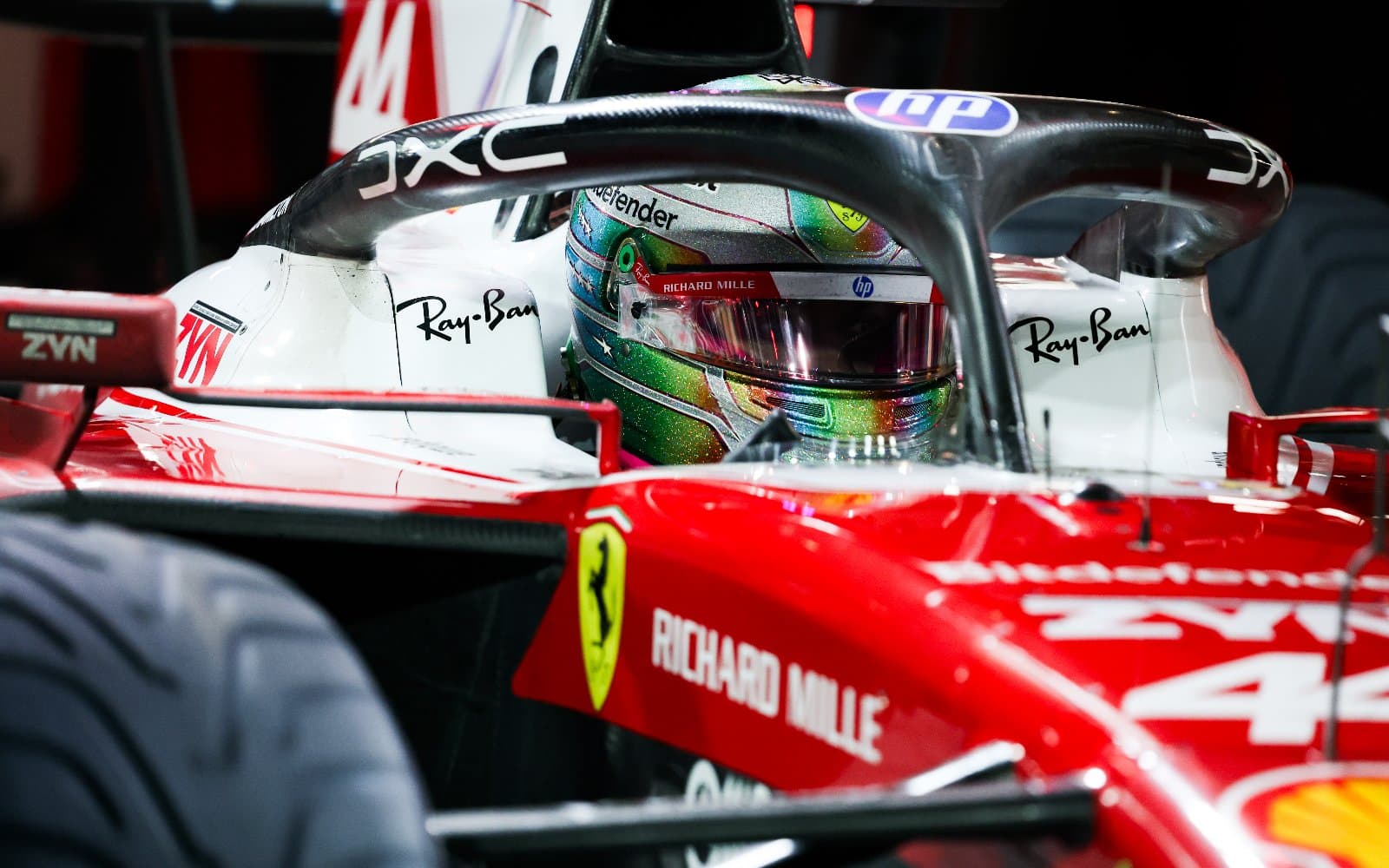
Stella explains Vegas deficit: The engine is good, but drag and the gear ratios…

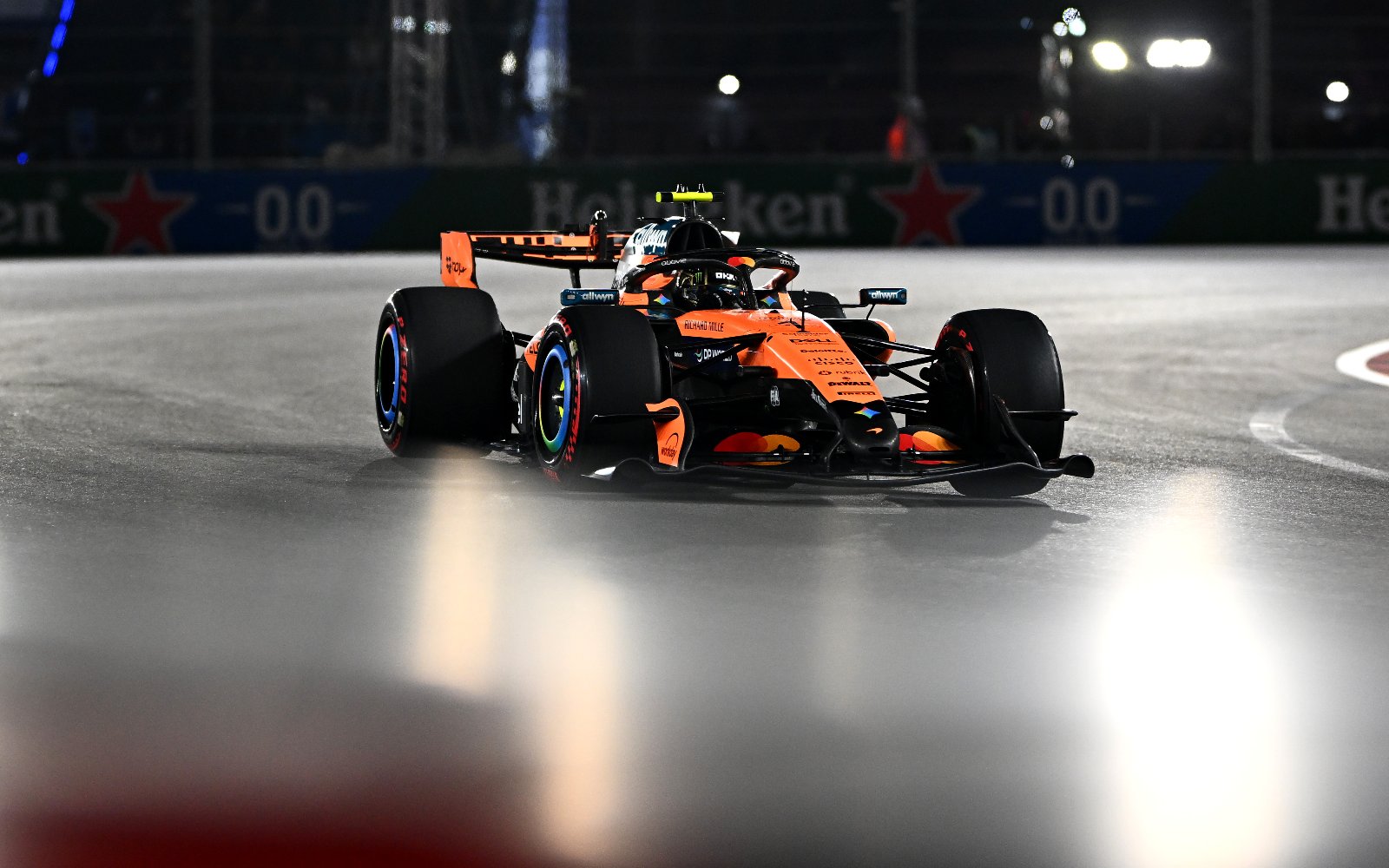
Getty Images/McLaren
A double podium in Las Vegas is worth its weight in gold for McLaren, bringing the team closer to third place in the constructors’ championship. The historic British outfit capitalised on its rivals’ setbacks at a circuit that did not suit its car at all. Andrea Stella admitted McLaren had only itself to blame for that.
Only cars powered by Mercedes and Red Bull reached Q3. The results once again confirmed which engine manufacturers currently lead the way. In the race, however, even the best power unit could not help McLaren.
“There’s three factors I would mention,” said McLaren team principal Andrea Stella. “One factor is the car didn’t have inherently enough top speed, which has nothing to do with the power unit, because it’s the same for all the HPP cars. There was simply too much aerodynamic drag.”
“The second factor is that we pay the price of having the eighth gear too short, which is a problem, especially when you are following somebody. The revs go too high, and the power drops too much,” the experienced engineer noted.
McLaren will not be able to address this handicap until next season. Gear ratios can be changed once per season, but the British team opted not to use that allowance, as its shorter ratios offered an advantage at least at slower circuits.
Why do McLaren and Mercedes have different gear ratios? When developing its gearbox, McLaren worked with data supplied by Mercedes as part of the technical specifications. Mercedes, however, developed its own gearbox using dynamometer data — actual measurements. The power unit’s performance curve ultimately did not match the documentation McLaren had received.
“If we had our time again, we’d re-ratio to be closer to where Mercedes are,” technical director Neil Houldey admitted in an August interview with The Race. “There are some performance opportunities that we can’t take because the ratios are shorter.”
“HPP [Mercedes] won’t know their final power curve until whatever date it might be, which is way beyond after we’ve chosen our ratios. We made a good decision with the information we had around us at the time; with the information that we have around us now the decision might be slightly different, but we’re talking milliseconds, not tenths,” the McLaren engineer said.
McLaren nevertheless managed to get the most out of a difficult race. According to Andrea Stella, that came down to energy management. It took the engineers and drivers a few laps to find the optimum battery deployment strategy, but they got there.
“And the third factor is that – and I want to praise here the work of the engineers, HPP and McLaren – the engineers figured out what was going on with Lando, why we were losing those positions, and what was working with Oscar, who was gaining positions,” Stella explained. “So they worked more than ever before this season with the drivers to optimise the power unit deployment. What to do with the buttons? What to do with the basic strategy?”
“So I think good news in terms of exploitation of the power unit, but some other limitations, aerodynamic drag and the ratios were a problem today. But the good work of Oscar and Lando and the engineers kind of compensated for these limitations,” he added.