They couldn’t see the wood for the trees: Ferrari lacked the courage to change, says Vettel

Facebook/Scuderia Ferrari
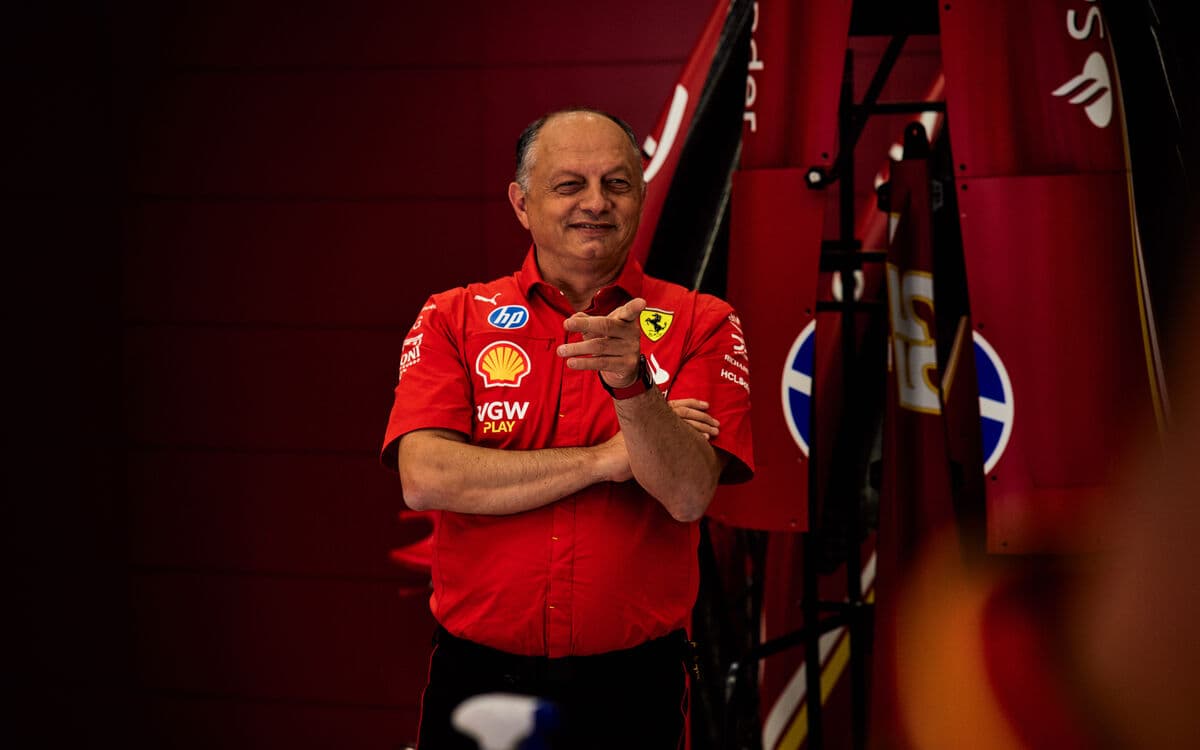
Several Formula 1 stars have tried to bring the championship trophy back to Maranello over the past 20 years. Five seasons were not enough for Fernando Alonso, nor were six for Sebastian Vettel, while Charles Leclerc is now completing his eighth campaign. Something has long been amiss at Ferrari. Sebastian Vettel has revealed that the Scuderia lacked courage during his time there. Ferrari was unwilling to abandon its established methods, even when they failed to deliver the desired results.
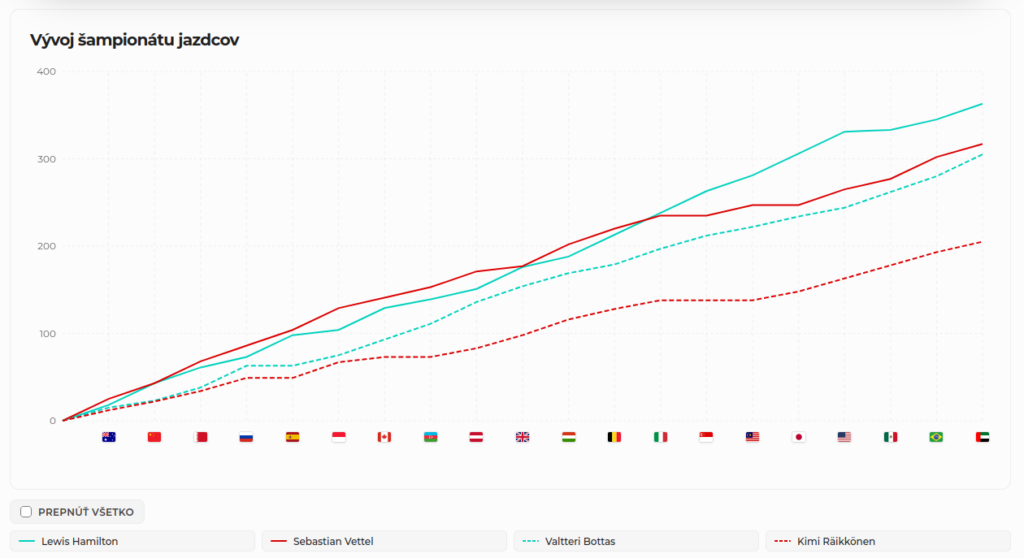
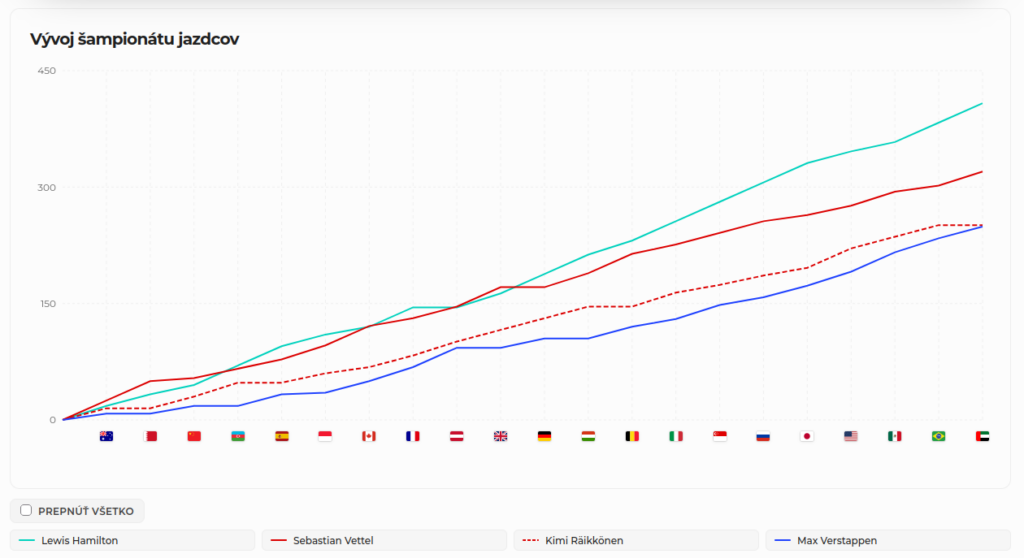
Sebastian Vettel fought for the world championship in 2017 and 2018. In both seasons, his prospects looked promising until the halfway point. In 2017, Sebastian Vettel led the drivers’ championship until the Belgian Grand Prix, while a year later, a crash at his home race in Germany dealt his hopes a crushing blow. Ferrari faltered in the closing stages of both campaigns, as Mercedes outpaced it in the run-in.
Speaking at Wednesday’s mo:re conference in Berlin, the four-time champion revealed that Ferrari had simply run out of steam. The Italian team was unwilling to change its established working practices. “I think what I learned during my time there is that perhaps Ferrari lacked a little courage when it came to making changes in that respect,” Sebastian Vettel recalled.
“We were always worried about the future and were always so obsessed with getting better and simply taking that final step,” he said, describing how Ferrari kept trying to dig deeper and sprint down the home straight, without realising — or wanting to realise — that changing its technique would bring far greater gains. It was treating the symptoms rather than the underlying problem. “In the decisive moments, perhaps we lacked a little courage as a team.”
Change would have required the right conditions, but the team’s management did not support it. The staff paid the price. “I know I spoke to a lot of people at the factory, and we couldn’t go on anymore. We were all exhausted. Because we kept running more and more, faster and faster, doing more and working even longer hours. But the efficiency just wasn’t there.”
Mercedes exploited that Ferrari weakness to the full by taking an analytical and, above all, critical look at its own working practices. It was willing to change them, while an inflexible Ferrari clung anxiously to its tried-and-tested approach.
“Back then, Mercedes regularly gave us a beating. Especially towards the end of the year, when we lost touch with them,” the 39-year-old German noted. The decline in competitiveness also took its toll on the atmosphere at the factory.
The domino effect could not be stopped. Vettel recalled raising the issue in team meetings: “We’re too tense. We’re not relaxed. We’re not having much fun. There’s no sense of togetherness. The trust isn’t there.”
Having won four world titles with Red Bull, Vettel could compare how a genuine championship-winning team operated and the atmosphere within it. His time at Ferrari convinced him that hard work alone was not enough to win. Sometimes, a team has to take one step back to take two steps forward.