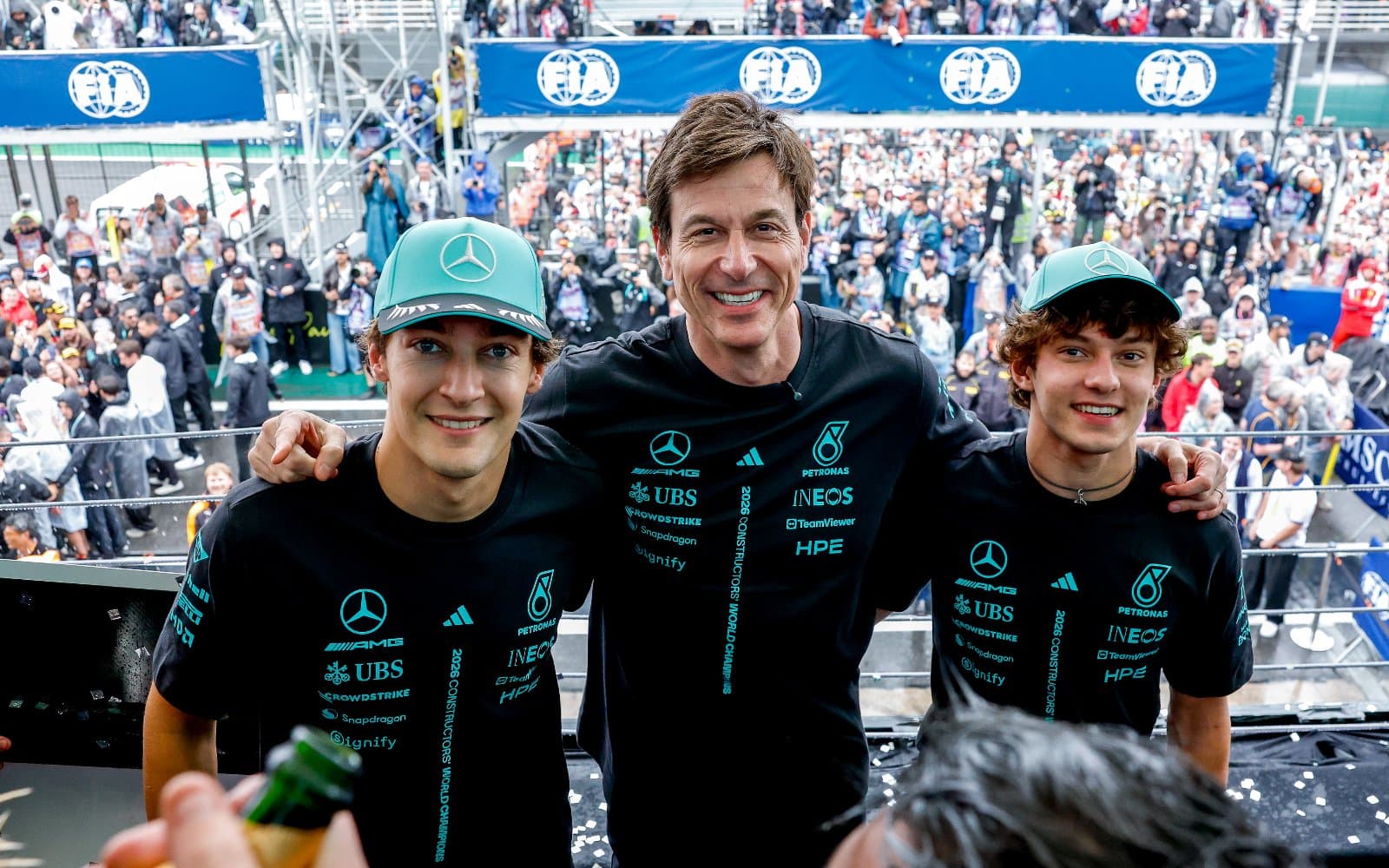
Mercedes dominate in Qatar as damage to Russell’s car hands Antonelli victory
Race report — Qatar Grand Prix 2026

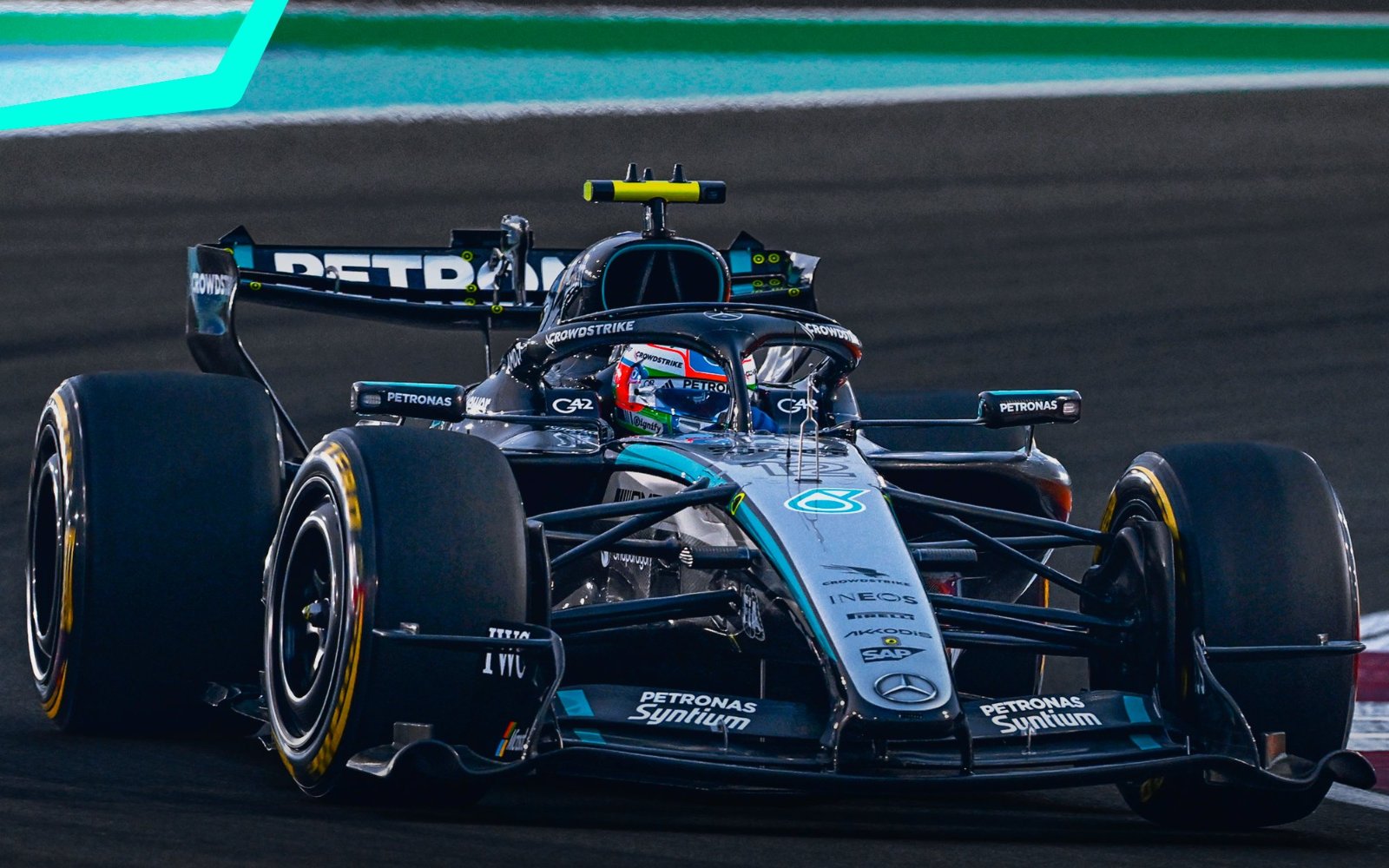
X/Mercedes
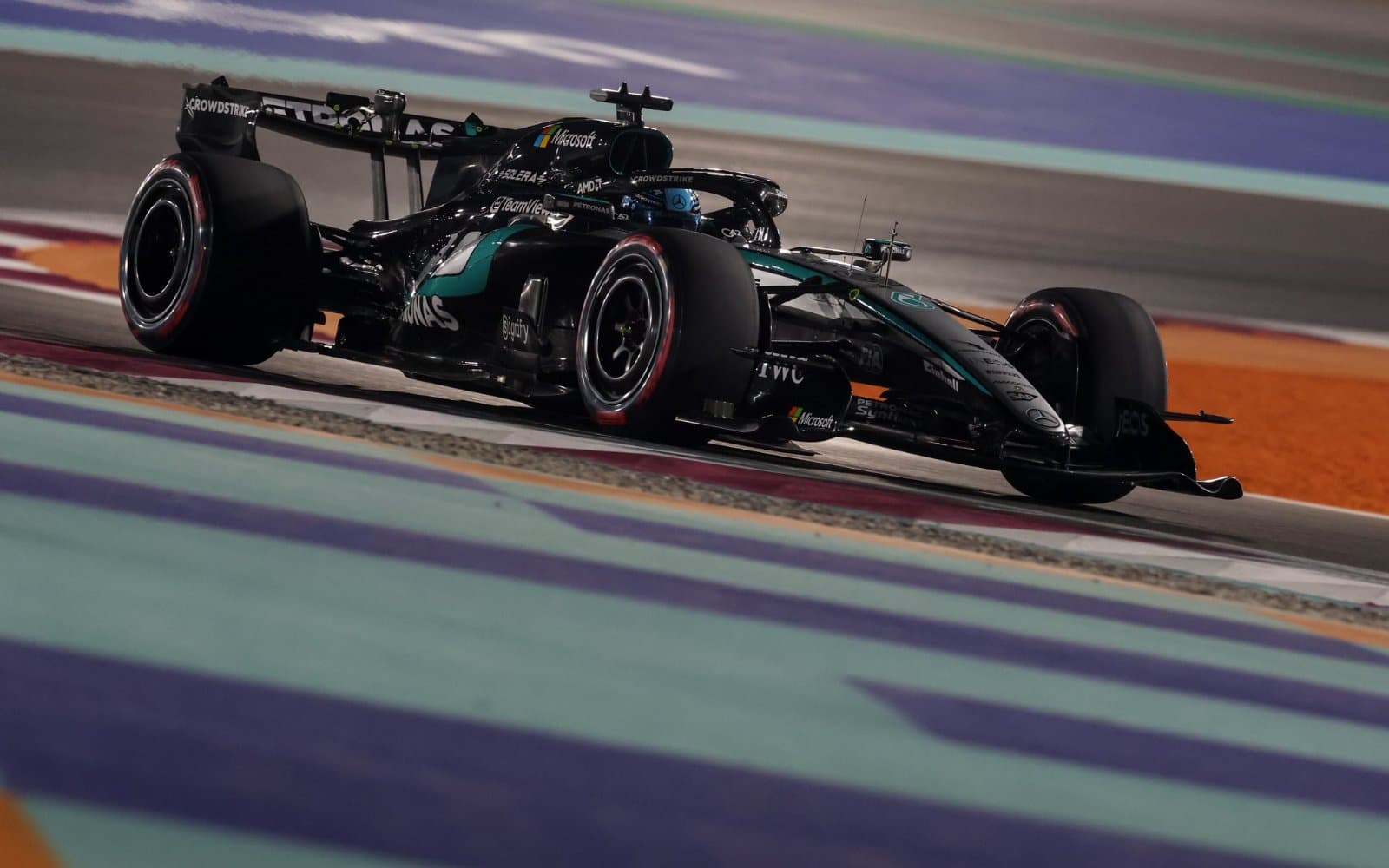
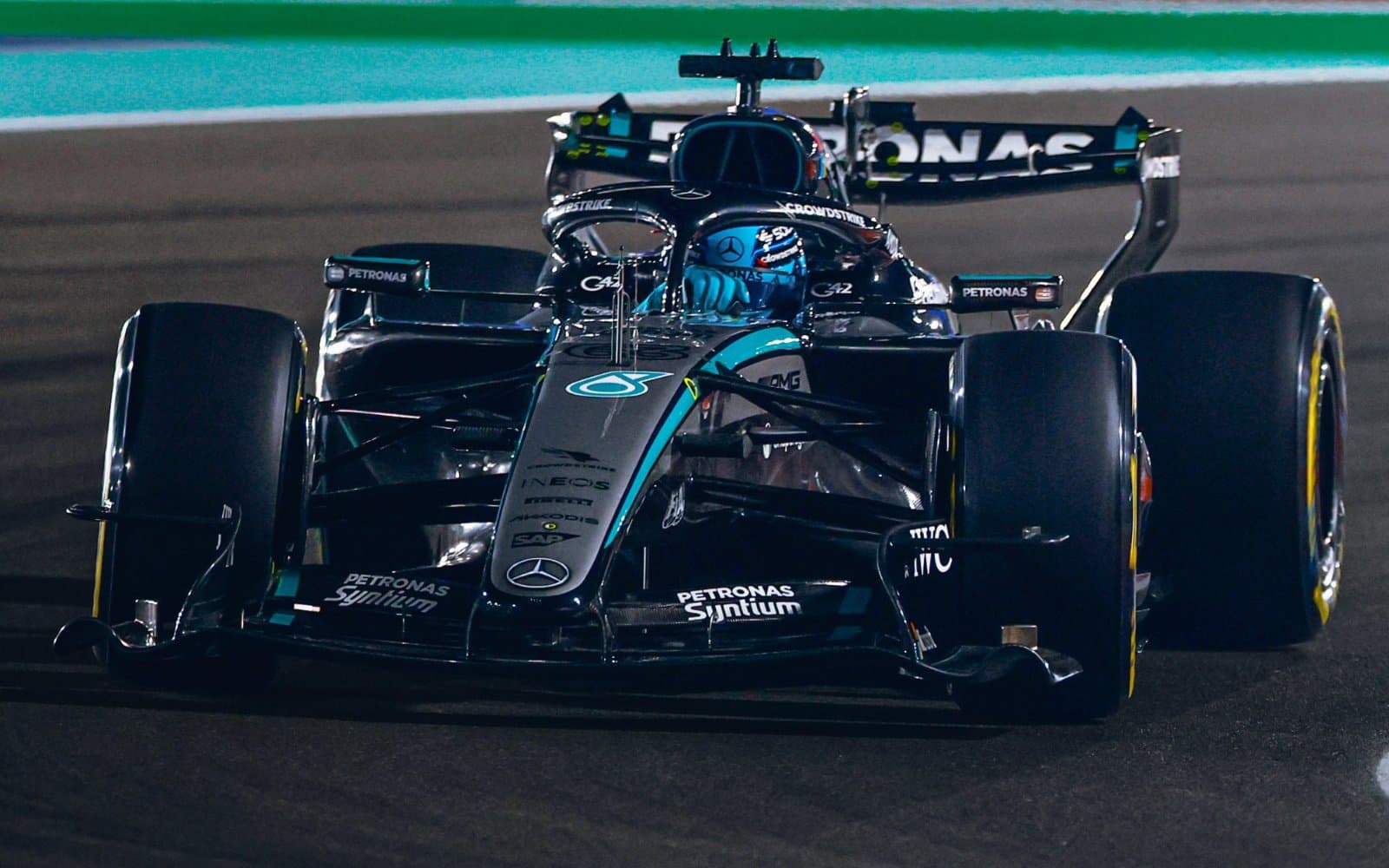
The Qatar Grand Prix delivered an unsurprisingly dominant performance from Mercedes. The race was decided by damage to George Russell’s car: he held the lead at the start, but debris from an incident involving Arvid Lindblad early in the race damaged his car and played a major part in handing victory to Kimi Antonelli.
Mercedes utterly dominated in Qatar, as expected. Antonelli finished 31 seconds clear of Russell’s damaged car in second and 33 seconds ahead of Piastri in third. Qatar was a demonstration of Mercedes’ strength, but certainly did not provide the same excitement as Las Vegas.
Lindblad incident proves costly for Russell
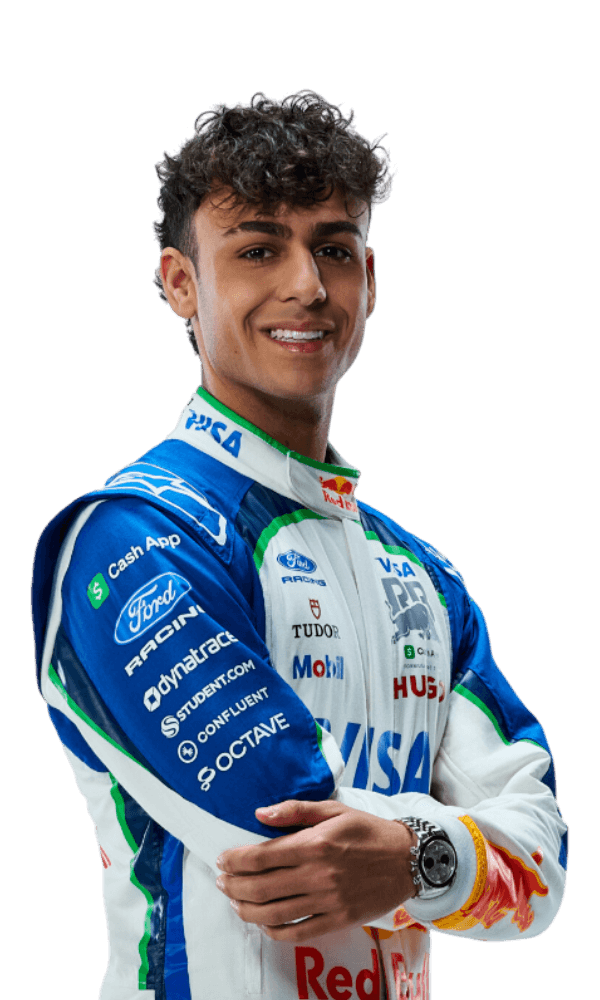
George Russell held on to first place ahead of Kimi Antonelli at the start. Lando Norris, however, made a poor getaway and dropped all the way to sixth. Lewis Hamilton moved ahead of his team-mate into seventh. Arvid Lindblad left considerable debris on the track after becoming involved in an incident with his team-mate and dropping to last. As it later emerged, it was this debris that caught out George Russell on lap two, when he ran over the remains of a polystyrene board and damaged his car.

V 𝐊𝐚𝐭𝐚𝐫𝐮 máme odstartováno a po kontaktu pilotů Racing Bulls to nemuselo dopadnout dobře! 🫣 #NovaSport | #F1 | #QatarGP
Ferrari’s race had barely begun before the battle between its drivers was under way. “Let me know if what we agreed before the race no longer applies,” Leclerc told his engineer shortly after the start.
George Russell also tried some political manoeuvring, telling the team he was pushing his tyres too hard. The Briton was under pressure from Antonelli after the start, and this was a way of trying to get his team-mate to slow down. That did not happen, however, and Kimi began to attack. By lap four, the Mercedes pair already had a three-second advantage over Piastri in third, so the outcome of the race was effectively settled.
“This looks a little different from the morning briefing, but tell me how you want me to race,” Russell remarked over the radio. The team subsequently intervened and told both drivers not to fight.
Antonelli was not the only driver on the attack. Lando Norris was also beginning to loom in Isack Hadjar’s mirrors. The Ferrari drivers were able to keep pace with the Red Bull driver too, clearly showing better pace in the race than they had in qualifying.
On lap 10, the Mercedes drivers remained together, separated by a few tenths of a second, but without fighting. Their advantage over Piastri had meanwhile grown to more than six seconds. Oscar himself was comfortably clear of both Verstappen and Hadjar. The Frenchman was heading a train comprising Norris and both Ferraris.
Pit stops
Gabriel Bortoleto was the first to stop, as early as the end of lap nine, in an attempt to find clean air, exploit his Audi’s pace and move up the order. His team-mate Nico Hülkenberg tried the same on the following lap.
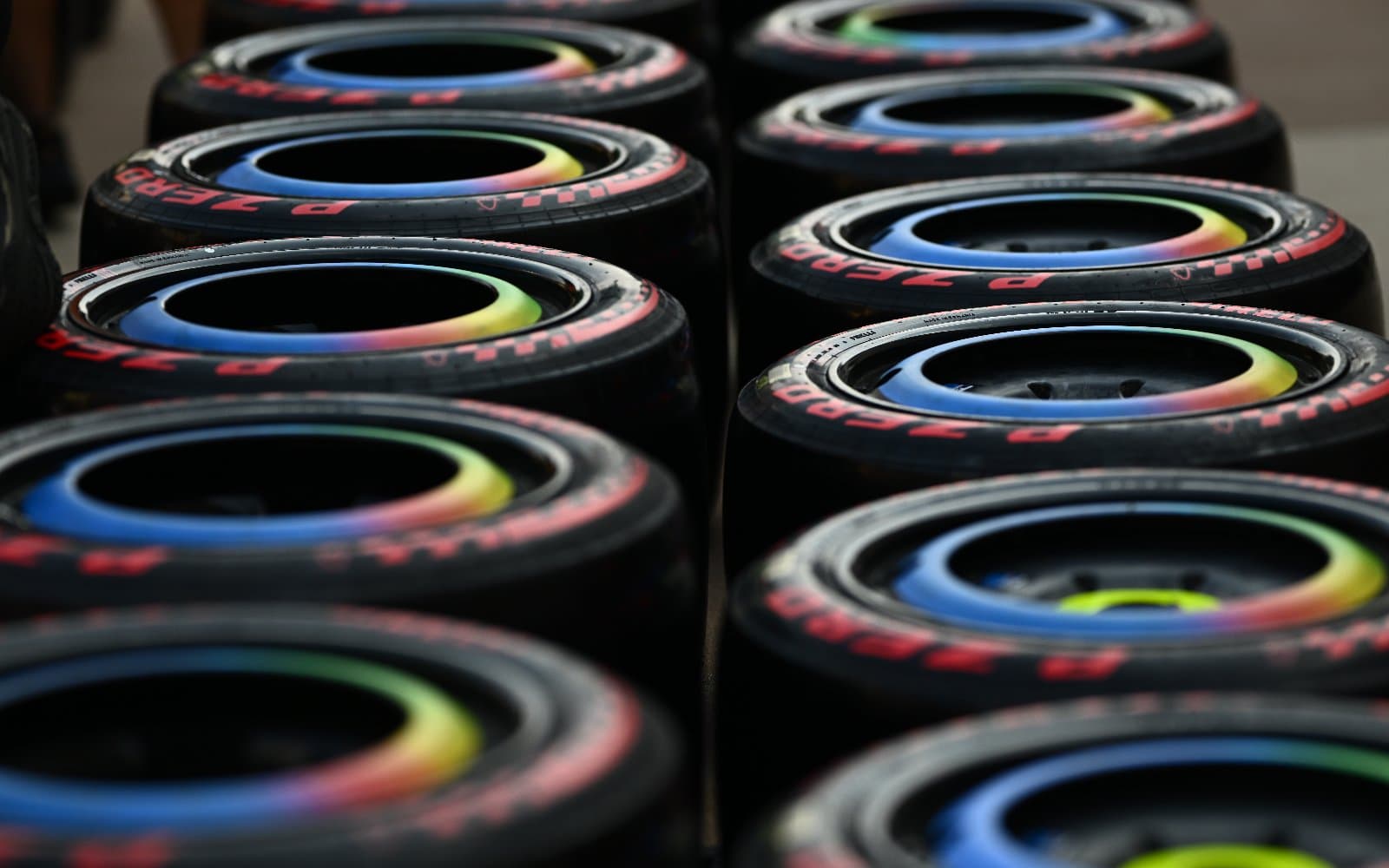
On lap 11, Lando Norris finally swept past Isack Hadjar into fifth place. At precisely that moment, race control deployed the virtual safety car, which both Mercedes, both McLarens and both Red Bulls used to make their first pit stops. By the time the Ferrari drivers were due to enter the pits, the VSC had ended.
Even Mercedes, Red Bull and McLaren did not gain the maximum advantage from the VSC. The double-stack stop did, however, help Russell, who gained a crucial advantage over Antonelli. The Ferraris also swapped positions as the VSC ended. It was unclear what had happened, but it looked as though Charles had simply reacted better to the restart.
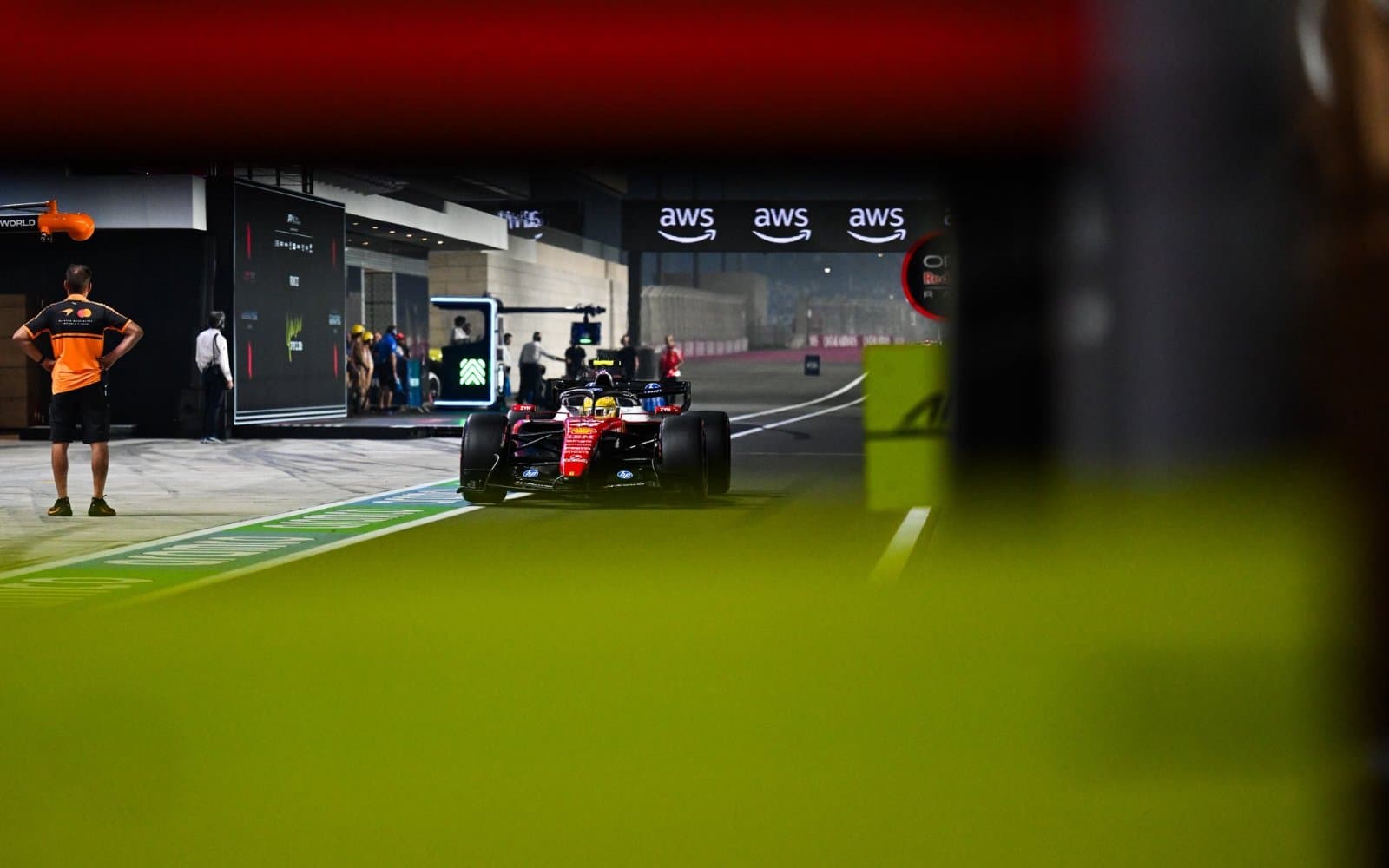
Leclerc came in at the end of lap 15, and it was a disastrous stop. Charles was stationary for more than 12 seconds, seriously compromising the Monegasque’s race. When Hamilton pitted on the following lap and completed a trouble-free tyre change, he rejoined ten seconds ahead of his team-mate. Lewis also emerged ahead of Hadjar, who had lost time in the midfield after his stop and was also struggling with front-wing damage sustained early in the race.
Once every driver had completed their first pit stop by lap 27, the top ten was as follows: Russell, Antonelli, Piastri, Verstappen, Norris, Hamilton, Hadjar, Leclerc, Bortoleto and Lawson.
Several battles then began to develop. Norris was recovering strongly from his poor start and closed right up to Verstappen. Leclerc was rapidly catching Hadjar, but most notably, Antonelli was much faster than Russell. George had led by more than eight seconds after the VSC period ended, but that gap had shrunk to around three seconds by lap 27.
Russell asked his team for help. According to his engineer, the problem was inconsistent tyre performance and the car was fine. Later, however, he was told that the team could see pieces of debris lodged somewhere and would try to remove them during the stop. Antonelli, meanwhile, was given the green light to attack for the lead.
Second round of stops
Charles Leclerc pitted at the end of lap 30, becoming the first driver to change tyres for a second time. Verstappen stopped on the following lap. While Ferrari was attempting to undercut Hadjar, Red Bull was trying to cover off Norris. Hadjar also changed tyres, but a poor stop by his mechanics meant Isack rejoined behind Leclerc.
More drivers headed for the pits. Piastri stopped at the end of lap 33. Russell followed on lap 34, when his woes deepened further. George spent ten seconds stationary, yet the mechanic was still unable to remove all the debris. Antonelli then stopped and comfortably took the lead. George’s task for the rest of the race was therefore to hold on to second place.

Hamilton stopped at the end of lap 37, with Norris following a lap later, completing the mandatory pit stops for the leading teams’ drivers. The last unanswered question heading into the final stint was whether Lando Norris could catch and pass Max Verstappen on fresher medium tyres. It was an important battle, with their teams still fighting for third place in the constructors’ championship.
Antonelli also delivered an intriguing message, effectively offering victory to Russell. “Tell me if you want me to let him past at the end,” Kimi said, probably in reference to George’s fight for second place in the championship.
Lando Norris could have given Russell a little help by passing Verstappen. But overtaking once again proved almost impossible in Qatar. Despite his stronger pace and fresher tyres, Lando was struggling even to get within a second of the Red Bull driver.
The rather uneventful race therefore ran its course with the order unchanged. There were few overtakes or battles for position, and Mercedes underlined its dominance. Kimi Antonelli ultimately kept the victory ahead of team-mate George Russell, who comfortably finished second despite his damaged car and lengthy pit stop.
Oscar Piastri joined the Mercedes drivers on the podium after a very lonely race. Max Verstappen held on to fourth ahead of Lando Norris, who did not have enough of a pace advantage to mount a serious challenge.
The Ferrari drivers finished sixth and seventh. Hamilton crossed the line ahead of Leclerc, whose poor pit stop cost him a better result. Hadjar took eighth, with Liam Lawson and Gabriel Bortoleto completing the points-paying top ten.
Next weekend brings the season-ending Abu Dhabi Grand Prix.
Session Results
| Pos | DriverDri | Team | Grid | Laps | Time/Gap | FL | Pts |
|---|---|---|---|---|---|---|---|
| 1 | Andrea KimiAntonelli  ANT |  Mercedes | 2 | 57 | — | 1:25.407 | 25 |
| 2 | GeorgeRussell  RUS | Mercedes | 1 | 57 | — | 1:26.444 | 18 |
| 3 | OscarPiastri  PIA |  McLaren | 4 | 57 | — | 1:26.533 | 15 |
| 4 | MaxVerstappen  VER |  Red Bull | 6 | 57 | — | 1:26.142 | 12 |
| 5 | LandoNorris NOR | McLaren | 3 | 57 | — | 1:26.171 | 10 |
| 6 | LewisHamilton HAM |  Ferrari | 9 | 57 | — | 1:26.693 | 8 |
| 7 | CharlesLeclerc  LEC | Ferrari | 7 | 57 | — | 1:26.471 | 6 |
| 8 | IsackHadjar  HAD | Red Bull | 5 | 57 | — | 1:26.406 | 4 |
| 9 | LiamLawson  LAW |  Racing Bulls | 10 | 56 | +1 lap | 1:27.296 | 2 |
| 10 | GabrielBortoleto  BOR |  Audi | 13 | 56 | +1 lap | 1:27.928 | 1 |
| 11 | OliverBearman BEA |  Haas | 11 | 56 | +1 lap | 1:27.744 | - |
| 12 | NicoHülkenberg  HUL | Audi | 15 | 56 | +1 lap | 1:27.533 | - |
| 13 | FrancoColapinto  COL |  Alpine | 14 | 56 | +1 lap | 1:26.722 | - |
| 14 | PierreGasly GAS | Alpine | 12 | 56 | +1 lap | 1:27.292 | - |
| 15 | CarlosSainz  SAI |  Williams | 16 | 56 | +1 lap | 1:28.539 | - |
| 16 | RafaelCâmara CAM | Haas | 18 | 56 | +1 lap | 1:27.596 | - |
| 17 | AlexAlbon  ALB | Williams | 17 | 55 | +2 laps | 1:28.498 | - |
| 18 | SergioPérez  PER |  Cadillac | 22 | 55 | +2 laps | 1:28.557 | - |
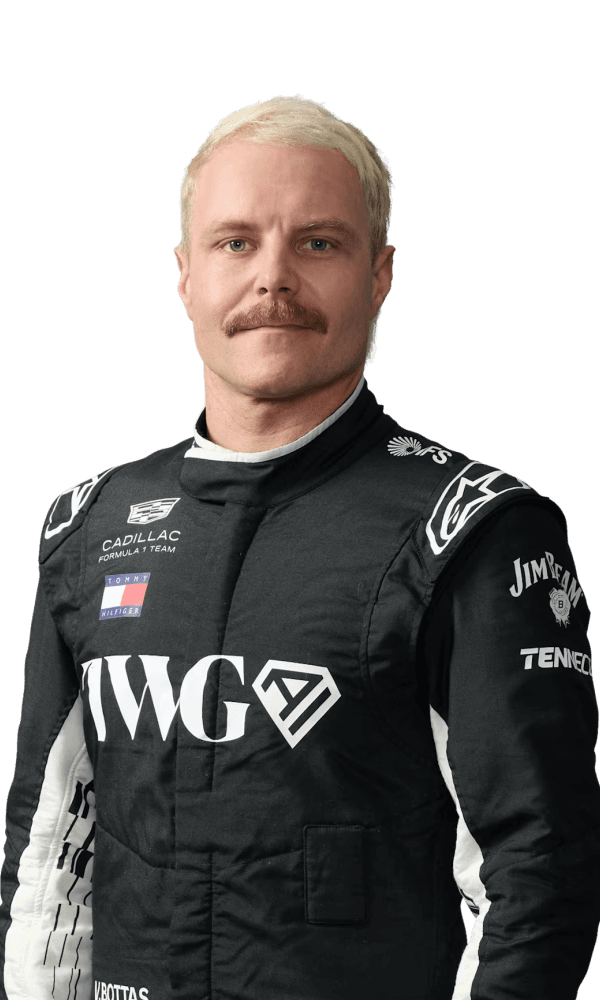
| 19 | ValtteriBottas  BOT | Cadillac | 21 | 54 | +3 laps | 1:30.563 | - |
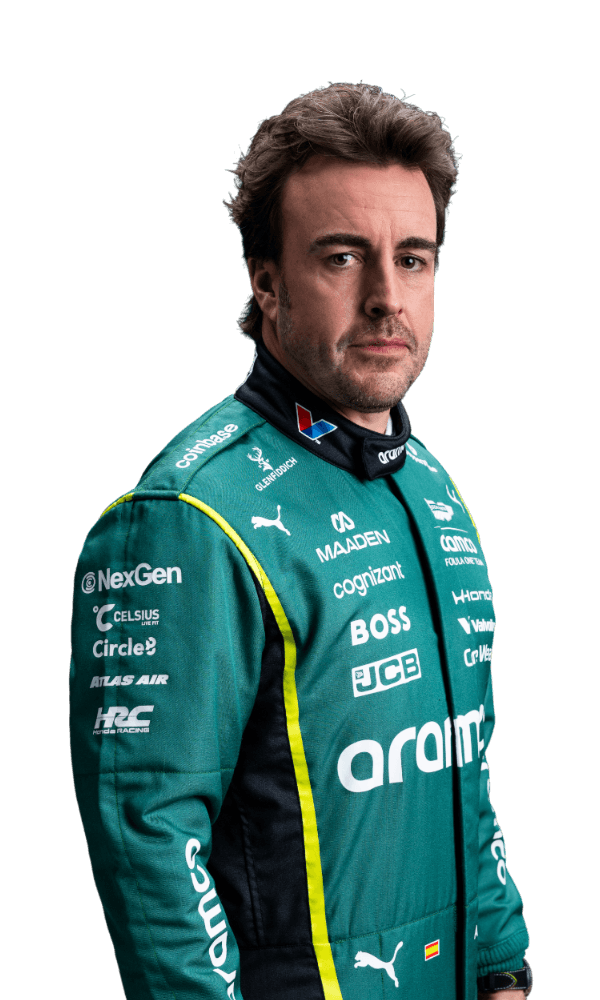
| 20 | FernandoAlonso ALO |  Aston Martin | 19 | 34 | Retired | 1:29.309 | - |
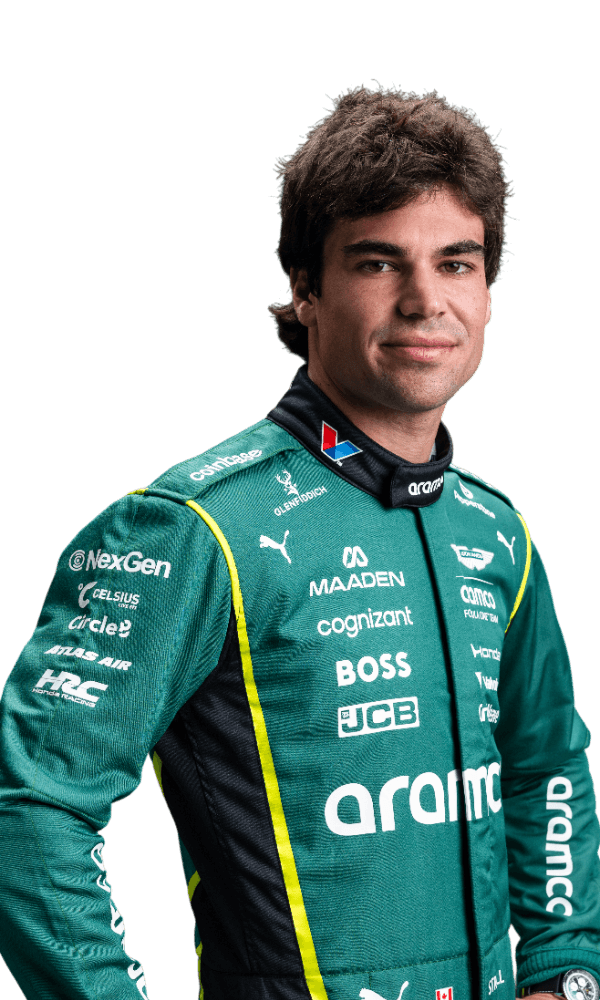
| 21 | LanceStroll  STR | Aston Martin | 20 | 25 | Retired | 1:30.214 | - |
| 22 | ArvidLindblad LIN | Racing Bulls | 8 | 12 | Retired | 1:30.561 | - |








Championship standings after this session
Drivers Championship
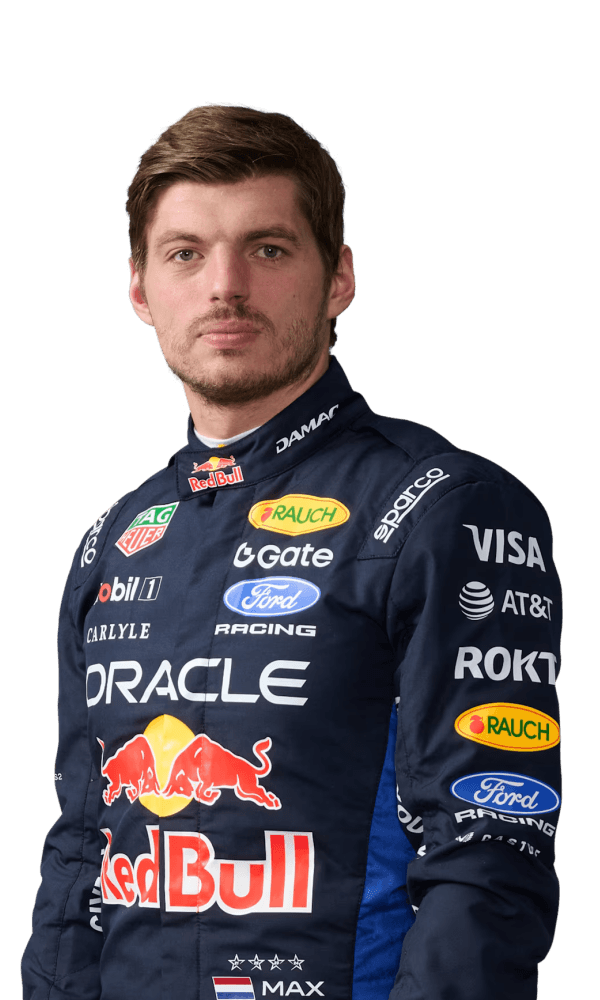
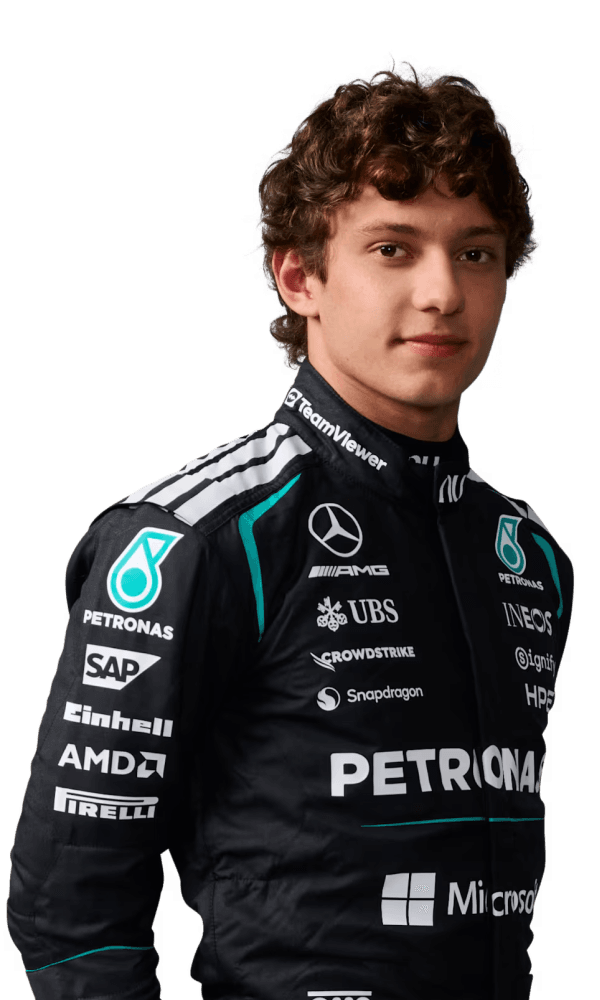
- 01Andrea KimiAntonelli427ptsANT
- 02MaxVerstappen316ptsVER
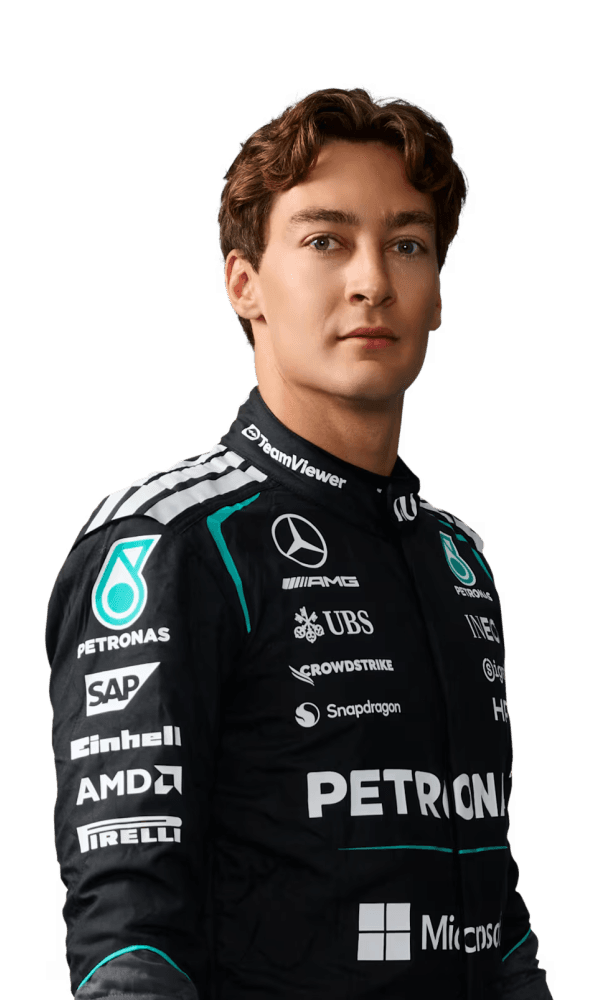
- 03GeorgeRussell282ptsRUS
- 04LewisHamilton275ptsHAM
- 05LandoNorris274ptsNOR
Constructors Championship
- 01Mercedes709pts
- 02Ferrari531pts
- 03Red Bull456pts
- 04McLaren456pts
- 05Racing Bulls116pts