F1 could soon be up for sale, says former Liberty Media boss: Easy money

Getty Images/RB Content Pool
Has Formula 1’s bubble burst? The first results for 2026 suggest that the financial growth of motorsport’s premier category has slowed, if not stalled altogether. Even Formula 1 is clearly not immune to the worsening global economic situation, and according to the man who was once Liberty Media’s most powerful figure, its investment potential will soon be exhausted.
After years of inflating bubbles, investment in sport and sponsorship is slowing. Companies are focusing on protecting their assets, while governments are intent on protecting jobs. The global economic, political and security situation is deteriorating, and Formula 1 has felt the impact too.
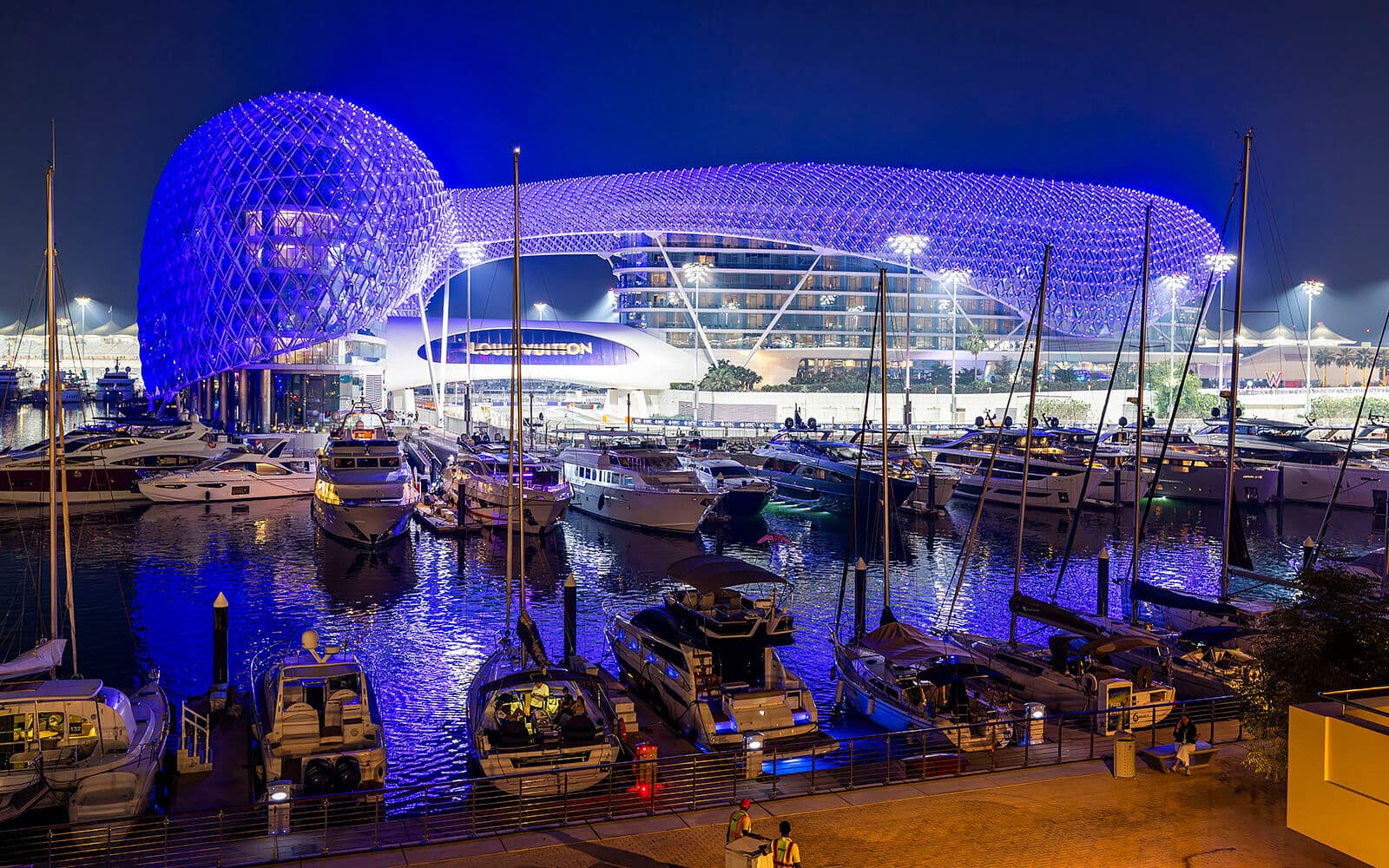
Motorsport’s premier category is doing everything it can to protect the money flowing into its coffers from the Persian Gulf. The at times almost farcical efforts to race in Qatar and Abu Dhabi were a clear example of Liberty Media’s desperate attempts to avoid jeopardising its contractual commitments and losing tens of millions it needs amid the worsening situation.
According to former Liberty Media boss Greg Maffei, the company faces important decisions in the coming years. “I’ll say F1 is gone,” Maffei replied at this week’s Sportico Invest event in New York when asked whether Formula 1 would still be publicly listed in 2028.
He then explained his reasoning. In his view, Liberty Media has achieved all the objectives it set when buying the sport. “The easy money’s been made. The EBIDTA (Earnings before interest, taxes, depreciation and amortisation) is up three times in eight or nine years. It’s not going to go up three times again in the next eight or nine years,” said Maffei.
The figures speak for themselves. Liberty Media bought Formula 1 in 2017 primarily for its investment potential. Under the American company’s ownership, the sport has been transformed beyond recognition, with the value of both the championship and individual teams increasing several times over. As a reminder, F1 passed from Bernie Ecclestone to Liberty Media for around $4.5 billion. Today, the company’s market capitalisation is approaching $28 billion, meaning estimates suggest a sale could fetch at least around $30 billion.
It should be said that the sport is continuing with the activities that delivered such growth. It is still trying to enter new markets (most recently Africa), still seeking to engage younger generations and still expanding its activities. The question, however, is how much further the company can increase its market value. That value is likely to keep rising, but almost certainly not at the same rate as before.
If the company sees no potential for further growth, it could opt to sell and invest the proceeds in other assets.