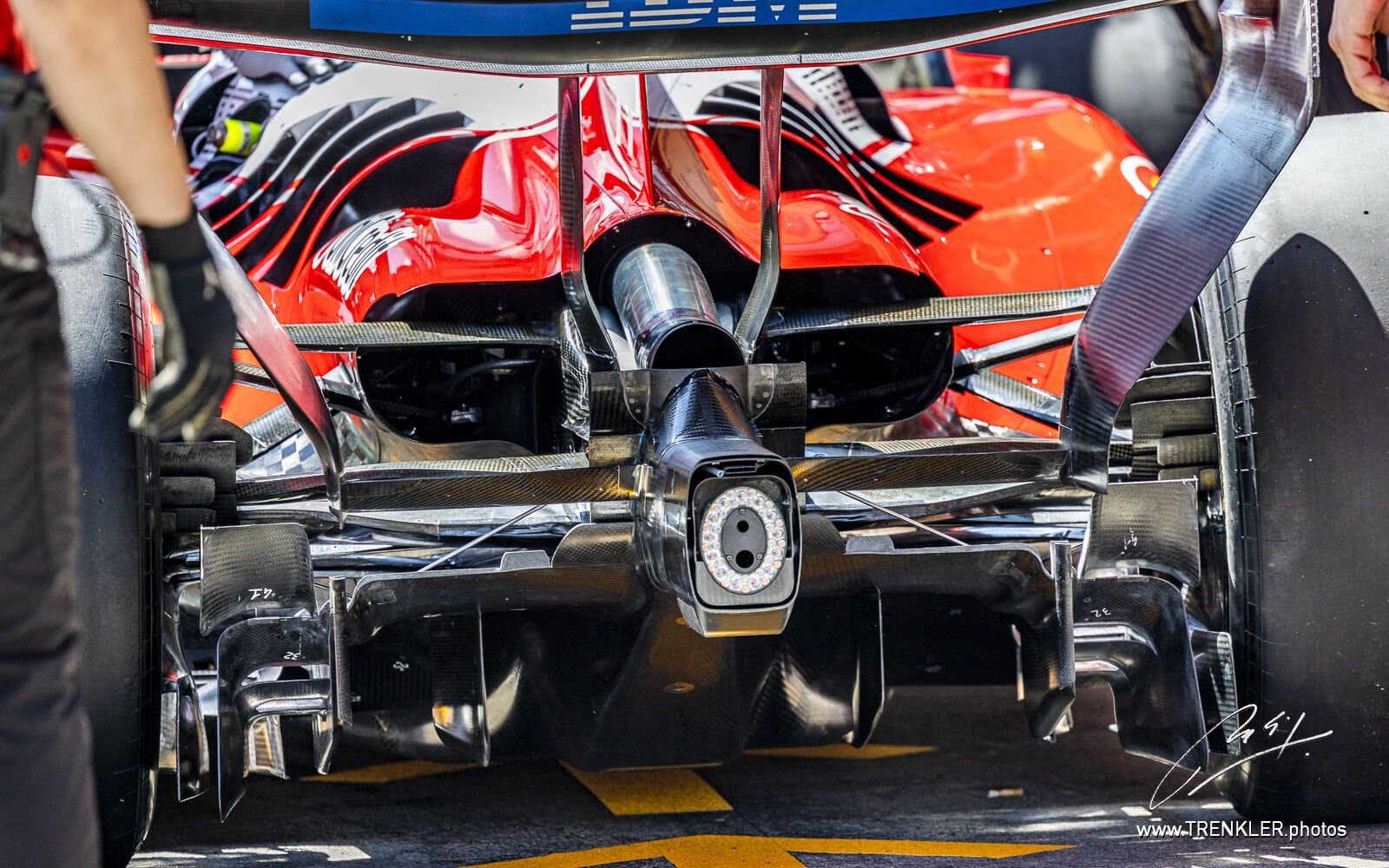
Ferrari’s power unit deficit was evident once again, with neither the wet track nor the MGU-K limit helping

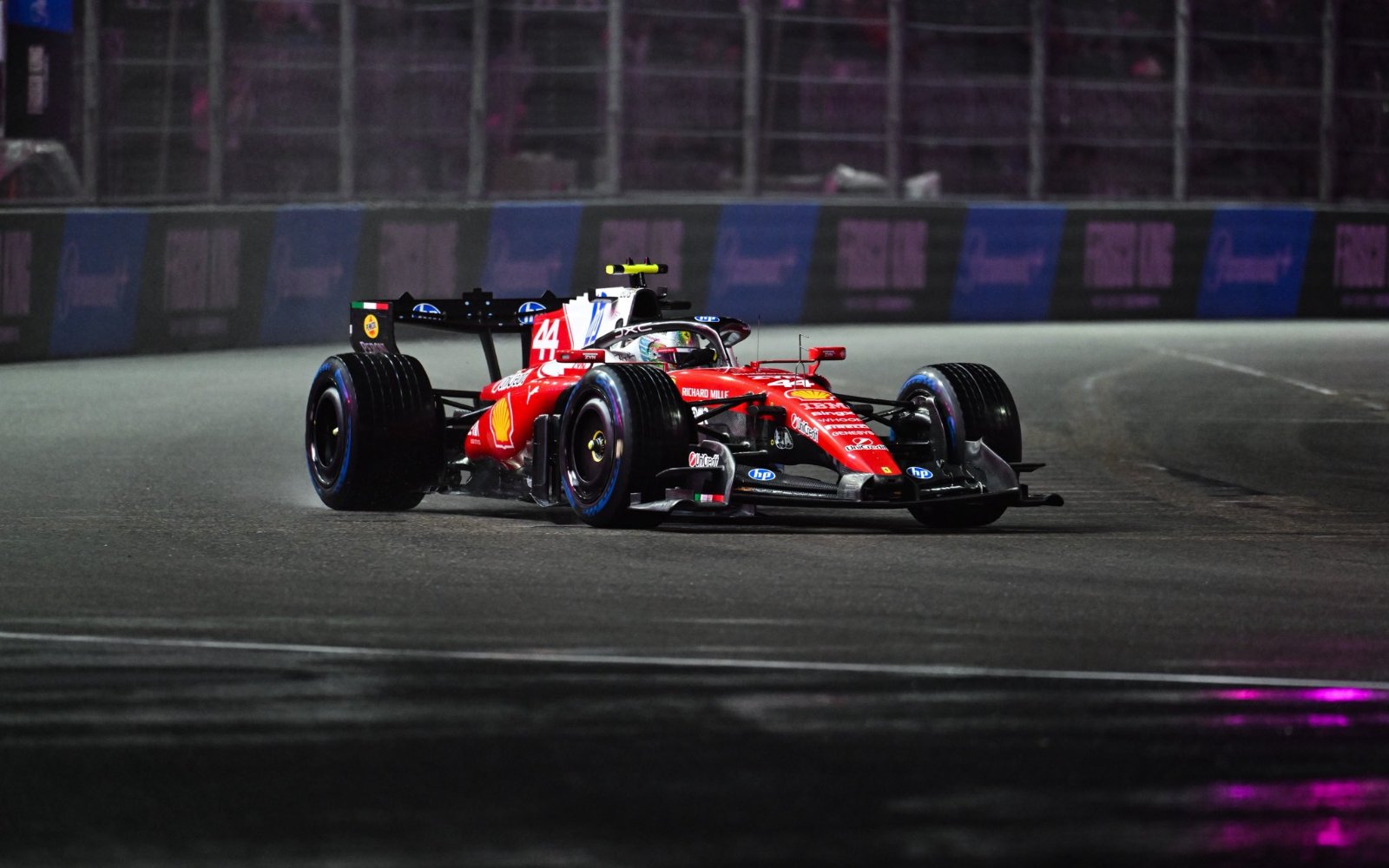
X/Ferrari
The results of Friday practice in Las Vegas offer very little indication of what to expect for the rest of the weekend. For Ferrari, however, the running also served as something of a warning of what is likely to lie ahead. The Maranello power unit was losing out to Mercedes even on a wet track, which once again does not bode well.
On a wet track, outright power matters less than power unit driveability, chassis performance, aerodynamics and driver skill. In changeable conditions, maximum electrical power output is also limited to 250 rather than the usual 350 kilowatts, so teams should have fewer difficulties with energy management.
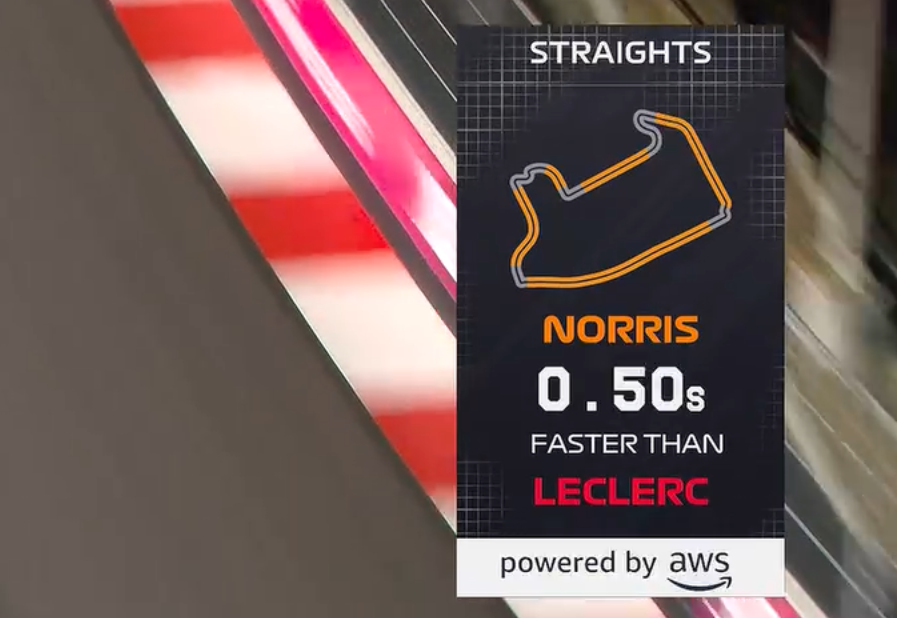
Yet midway through the session, Charles Leclerc lamented over the radio: “The engine is so bad in the straights.” The broadcast graphics backed him up, showing that the Monegasque was losing half a second to Lando Norris on the straights alone, despite the wet conditions and the MGU-K output being capped at the aforementioned 250 kW.
Things only got worse towards the end of the session. George Russell was faster on every straight, apart from the first few dozen metres on the run to Turn 1.
As the track dried, the power unit had an increasingly significant influence on lap times. Even the wet-weather cap on MGU-K output was no longer helping the Scuderia. The use of active aerodynamics and straight-line mode was still prohibited, increasing the car’s drag and the demands on the power unit.
Saturday’s third practice session will reveal how much of a disadvantage the Scuderia faces on a dry track, when straight-line mode can be activated.
Ferrari also needs to address a second problem: tyre temperatures. Charles Leclerc and Lewis Hamilton were able to match McLaren’s pace, but only after a few laps, once they had managed to get their wet-weather tyres up to temperature. In qualifying, which will be dry but potentially even colder, they will not have as much time to warm up their tyres as they did in Friday practice, when running was virtually uninterrupted.
The Italian team could therefore have considered trying slicks towards the end of the session. A dry line had emerged, and such a test could have given the engineers valuable information on where work was needed.
According to deputy team principal Jérôme D’Ambrosio, however, that would have been an unnecessary risk. “When you see the dry line, you always think that it’s potentially possible. But the reality is that at the end of a free practice session like that, there’s always a risk involved.”
“Also, there were a few corners that didn’t look ready for slicks, and the fact it’s so cold means that it would have been very tricky and probably not the right time to try it,” the 40-year-old Belgian noted.
Charles Leclerc was reluctant to jump to conclusions after Friday. In his view, those would have to wait another day. “There’s not much to take away for the rest of the weekend, as it should be dry going forward. We didn’t run in FP1, then did quite a few laps in FP2, which was good in terms of what we learned about driving in these conditions.”
“Hopefully some of the takeaways will be beneficial in the future. We will reset tomorrow and see where we stand in FP3,” he concluded.