- Home
- Circuit
- Albert Park
- History
Albert Park
Grand Prix history
The races, the winners and the podiums that shaped Albert Park.

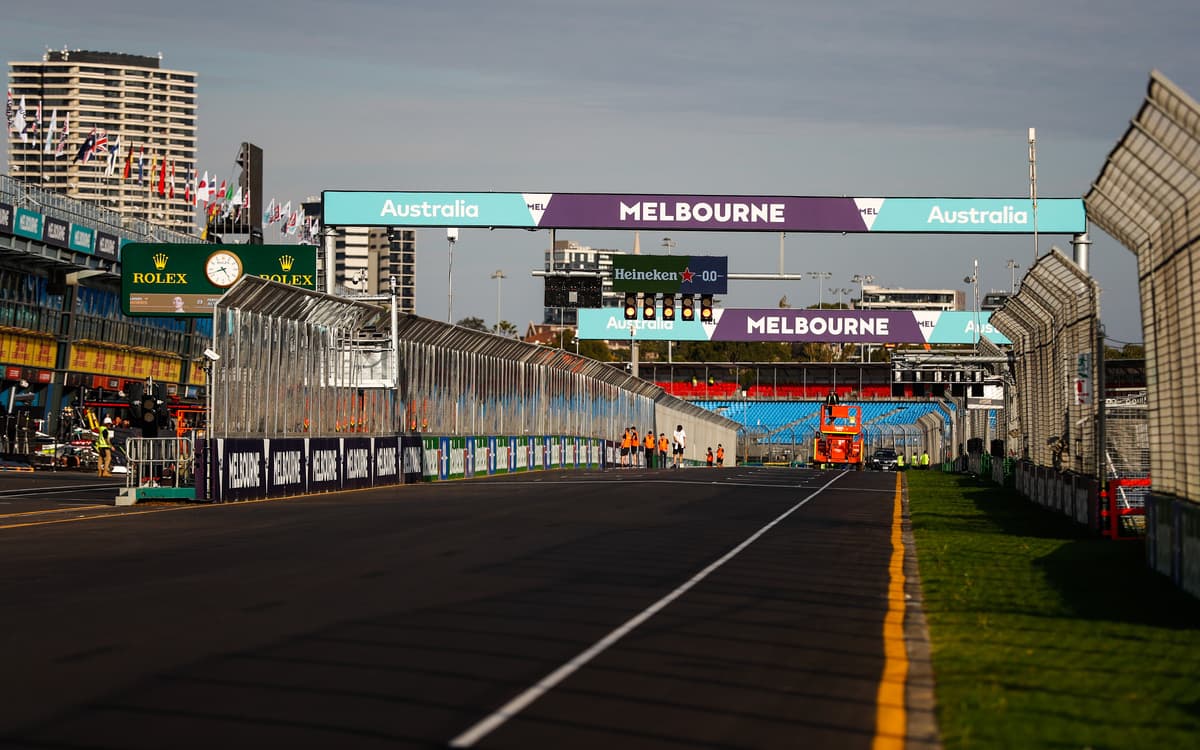
Melbourne’s Albert Park has always had close ties to motorsport, but its modern Formula 1 story only began in the 1990s. The key moment came in 1993, when an agreement was reached to move the Australian Grand Prix to Melbourne, prompting plans to build a temporary circuit using existing roads in Albert Park – chiefly Aughtie Drive and Lakeside Drive – with an additional section through the car park beside Lakeside Stadium.
The first race took place in the spring of 1996, just a few months after the final edition in Adelaide. Melbourne not only took over the baton as host, but also changed the character of the championship’s Australian round: what had traditionally been the season finale suddenly became the opening test of the year, with teams’ form put under scrutiny from the very first practice session. The inaugural Albert Park race was also memorable for its drama – Martin Brundle’s crash at Turn 3 remains one of its defining images, an immediate reminder that a street circuit leaves little room for error.
In the years that followed, Albert Park became synonymous with a parkland street circuit: temporary, fast, with changing grip levels and a distinctive rhythm to the weekend. As the circuit uses public roads, the opening practice sessions are often about finding grip as the racing line gradually rubbers in, frequently shaking up the competitive order between Friday and Sunday.
Significant turning points came off the track as well as on it. In March 2020, the Melbourne Grand Prix became one of the defining moments of the start of the pandemic era in sport: the event was cancelled just before the opening practice sessions because of the situation surrounding COVID-19. A year later, Albert Park was due to return with a November date, but organisers and local authorities cancelled the 2021 race because of ongoing restrictions and logistical risks.
It was during this period that the circuit’s most extensive revamp since joining the calendar also got under way. The aim was clear: to make the circuit faster and improve overtaking. Several corners were modified and two were removed altogether, with the most visible change being the removal of the chicane at the former Turns 9 and 10, creating a faster, more flowing layout. The project also included widening selected sections of the track and making further changes intended to open up more racing lines and overtaking opportunities.
When Formula 1 returned to Melbourne in April 2022, it was more than a sporting comeback: it was also a major social occasion. After a two-year absence, the race attracted record crowds and underlined Albert Park’s status as one of the championship’s most compelling settings for the start of a new season. Another chapter followed in 2023, this time a controversial one: the Australian Grand Prix was marked by a series of incidents and three red flags, prompting widespread debate about race management and safety procedures at temporary street circuits.
Albert Park’s history therefore rests on three pillars: the political and organisational process that brought the Grand Prix to Melbourne in the 1990s; the distinctive nature of a temporary parkland circuit, which shapes the character of the weekend each year; and the circuit’s ability to evolve – whether to improve overtaking, increase speeds or enhance safety. That makes Albert Park more than simply the backdrop to Formula 1’s Australian round: it is one of the places where the championship’s traditions regularly meet its modern reality.