Honda takes blame for failure as cooling struggles in Mexico’s thin air

X/Aston Martin
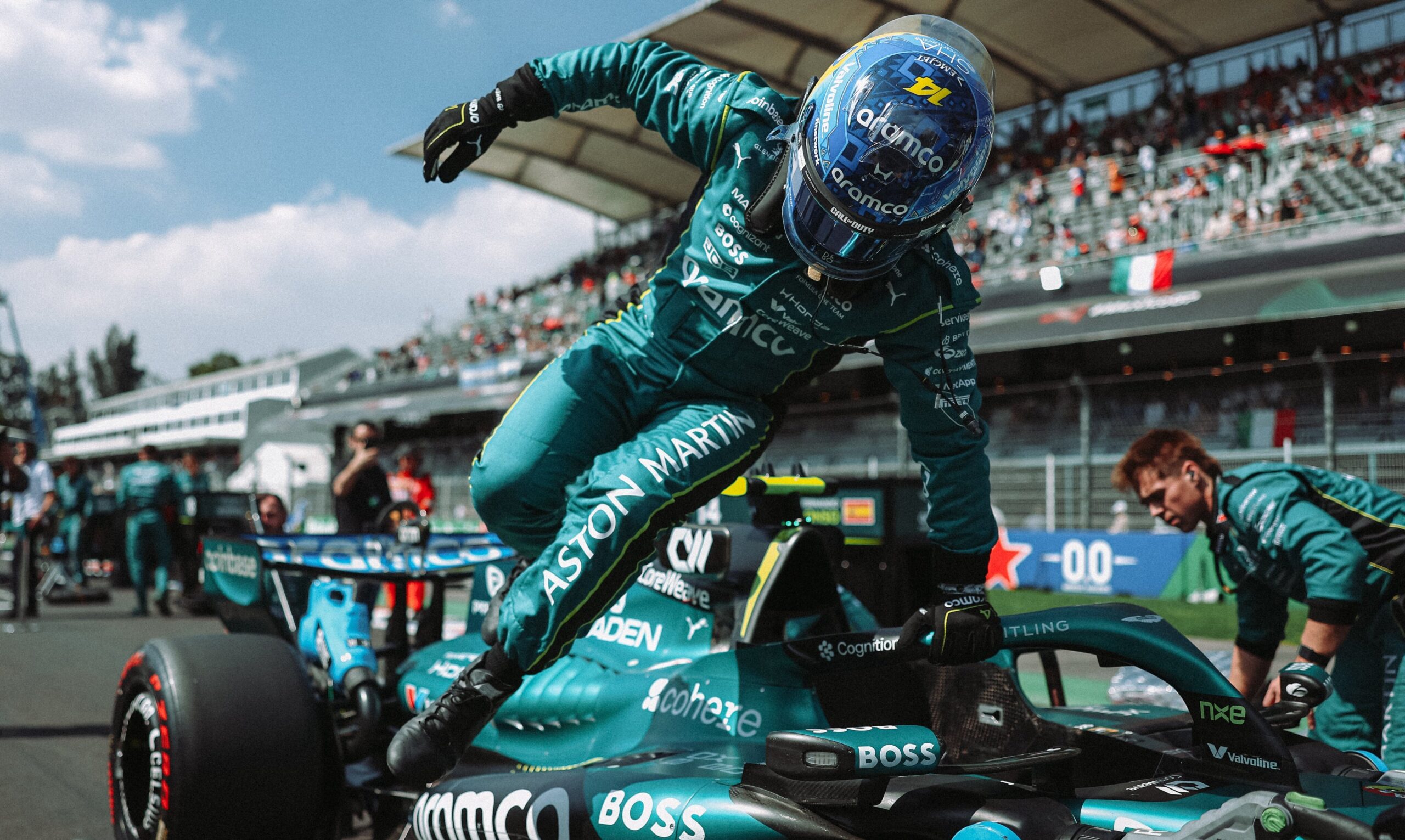
Aston Martin has endured one of its worst weekends of the season. Although the AMR26 once again showed at times that it could compete in the midfield, its weekend was effectively doomed from Friday onwards. The reason was once again Honda’s power unit, which simply could not cope with the cooling demands at high altitude.
All teams face overheating problems in Mexico every year. Huge cooling openings are a familiar sight throughout the weekend near the Central American capital. At more than 2,000 metres above sea level, engines, brakes and everything else that gets extremely hot in a Formula 1 car.
Managing engine and brake temperatures is an annual challenge, but in the vast majority of cases, teams and drivers cope. Honda, however, had absolutely no chance this year. Fernando Alonso’s car could not even last a few qualifying laps, and in the race both cars failed and retired after just five laps in perfect synchronisation.
Honda openly acknowledged what had happened after the weekend. “We knew that with the special high-altitude circumstance of Mexico City, we would face some additional challenges compared to other racetracks for the cooling,” said Honda chief engineer Shintaro Orihara.
Despite having raced and won at the Mexican circuit in the past, Honda admitted it had underestimated the scale of the challenge this year with this generation of power units. “However, we found that our ERS cooling circuit was under heavier stress than anticipated, and this is why we had to stop the car in different sessions,” Orihara explained.
Honda once again left Fernando Alonso hugely frustrated. He was visibly emotional when he was eliminated in Q1, banging his head against the headrest and slamming the steering wheel. After qualifying, he suggested he would not take part in Sunday’s race and would travel straight to Brazil.
Of course, he ultimately did not do so, as such a move would not have gone down well with sponsors and Formula 1, but Fernando had made his expectations for Sunday’s race very clear. By then, the driver and team probably knew that Honda’s cooling had no chance of coping with the full 71 laps. “Despite completing a series of laps during the practice sessions, the issue occurred [in the race] and during qualifying,” Orihara continued.
“At each race this year, we need to learn for 2027, even the hard lessons,” he said. “We have a lot of data that we can bring back to this circuit next year, including on the turbo lag, and we will work on the solutions,” the Japanese engineer promised in conclusion.