
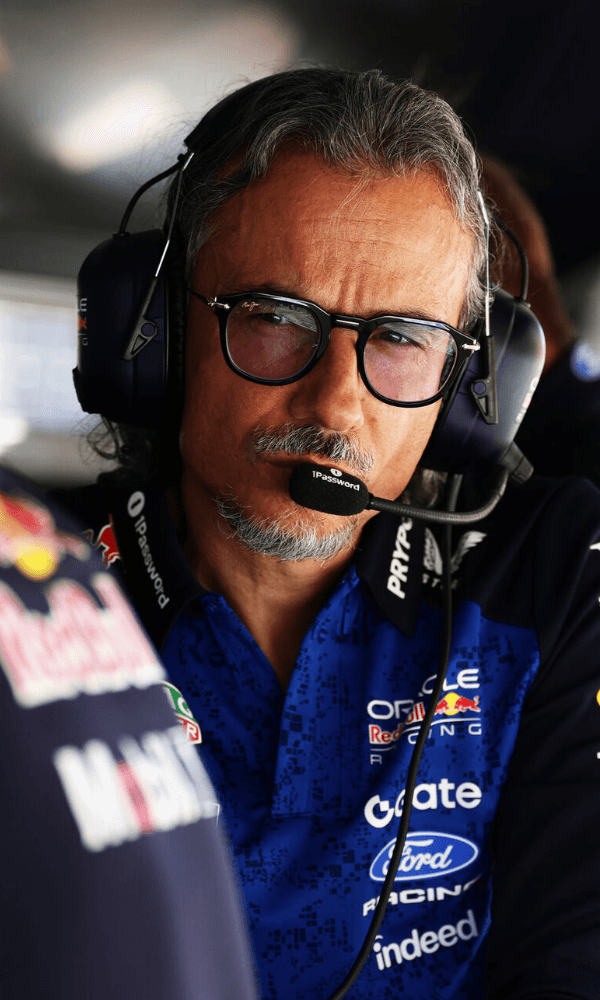
LaurentMekies
Team principal
Started
 Red Bull Racing
Team principal
Started
Technical director
Started
Head of Aerodynamics
Started
Chief Engineer
Started
Chief Performance and Design Engineer
Started
Head of Strategy
Started
Race engineer
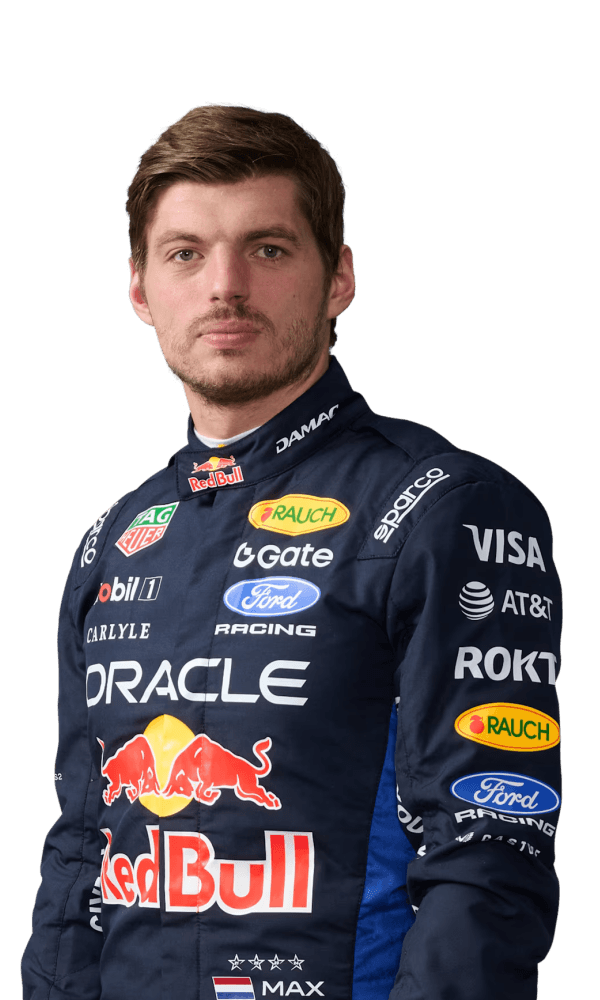
Max Verstappen
Started
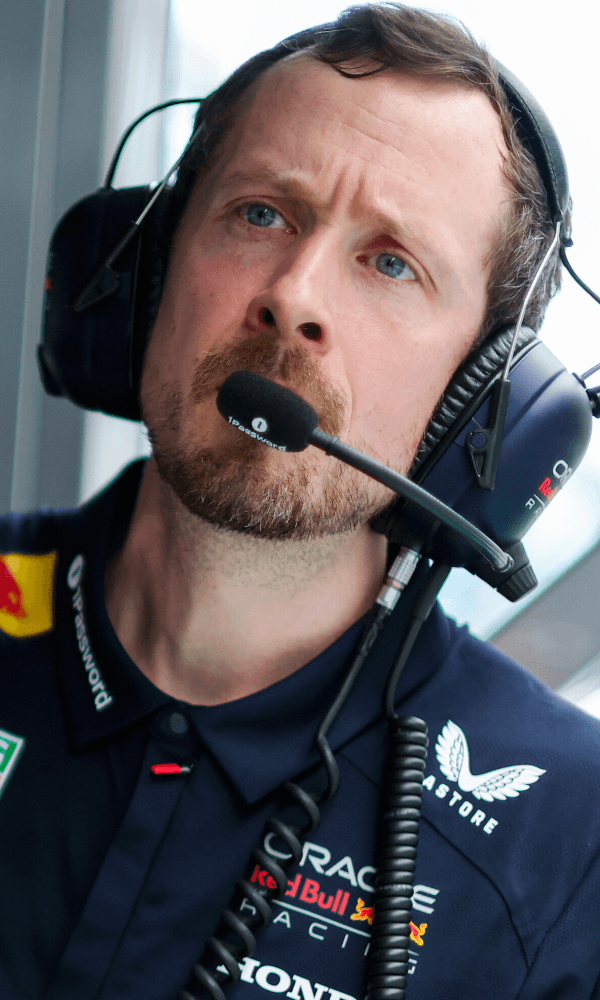
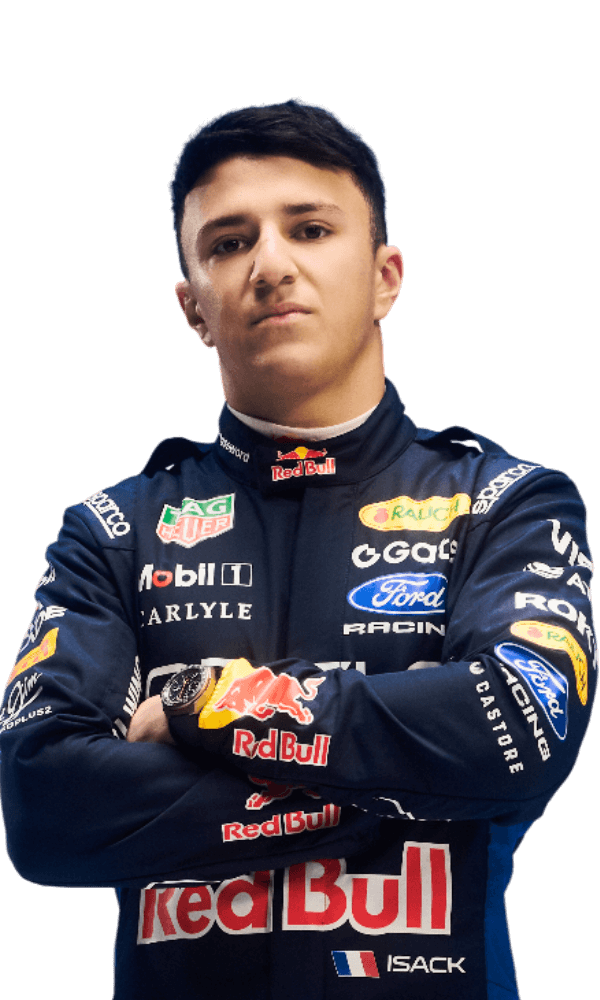
Race engineer
Isack Hadjar
Started
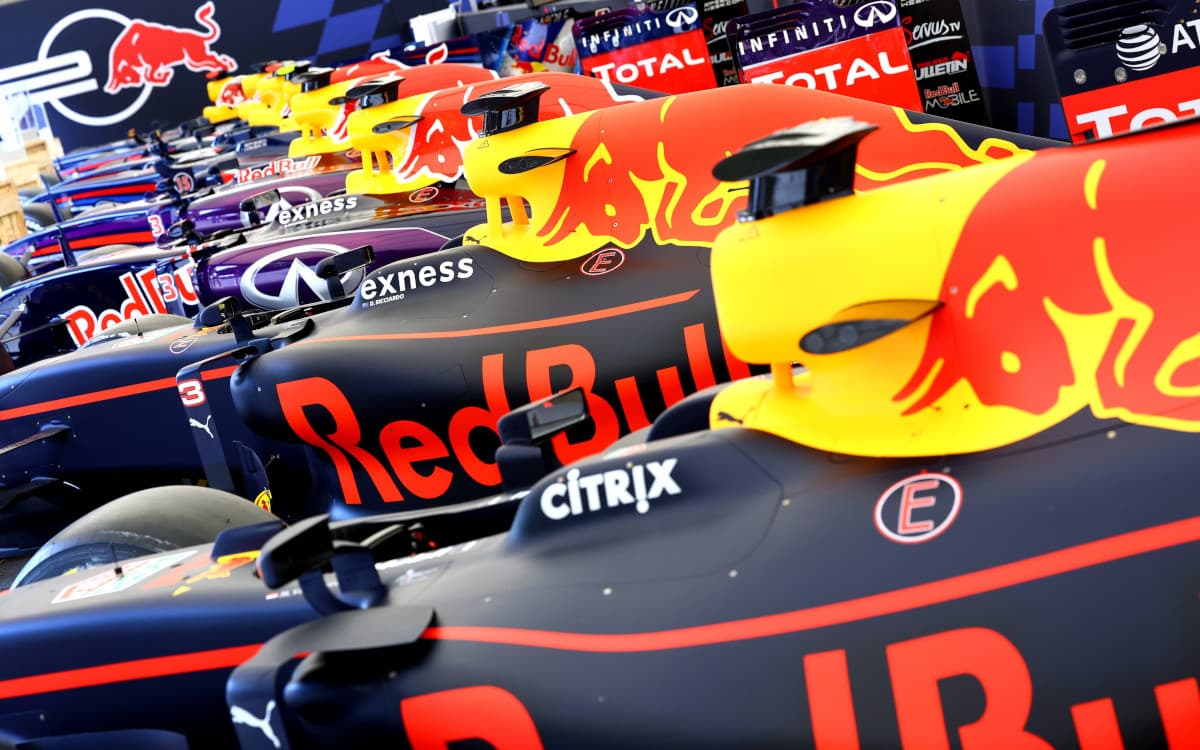
Red Bull Racing transformed the former Jaguar factory in Milton Keynes, Britain, into the base of one of modern Formula 1's most successful teams. Since its debut in 2005, the Austrian outfit has won six constructors' championships and eight drivers' world titles. Its greatest successes have come courtesy of Sebastian Vettel and Max Verstappen, who dominated the championship in two distinct eras. Team principal Christian Horner, designer Adrian Newey and adviser Helmut Marko also played major roles in the team's rise.
The story of Red Bull Racing began at the end of 2004, when businessman Dietrich Mateschitz bought Jaguar Racing from car manufacturer Ford. The new team took over its facilities in Milton Keynes and joined the Formula 1 grid for the 2005 season. Christian Horner was appointed team principal, while the experienced David Coulthard and youngster Christian Klien formed its driver line-up.
Red Bull Racing finished seventh in the constructors' championship in its debut season. Its first podium came a year later, when Coulthard finished third at the Monaco Grand Prix. A key step was the signing of renowned designer Adrian Newey, who joined in 2006 and gradually became one of the central figures in the team's technical development.
The first major breakthrough came in the 2009 season. Sebastian Vettel won a rain-soaked Chinese Grand Prix, with team-mate Mark Webber finishing second. Red Bull thus secured both its first Formula 1 victory and its first one-two finish. The team added another five wins before the end of the season and finished second in the constructors' championship behind Brawn GP.
Red Bull Racing won the constructors' world championship for the first time in 2010. Sebastian Vettel also secured his maiden drivers' title after a dramatic finale in Abu Dhabi, beating rivals including Fernando Alonso and team-mate Mark Webber. At 23, he became the youngest world champion in Formula 1 history.
A period of dominance followed, with Red Bull Racing winning four consecutive constructors' championships from 2010 to 2013. Vettel claimed the same number of drivers' titles. The 2013 season was particularly successful, with the German winning the final nine grands prix in succession.
Those successes were built not only on Vettel's performances, but also on the cars designed under Adrian Newey's leadership, Christian Horner's strategic decisions and the work of the driver programme headed by Helmut Marko. Mark Webber was another important member of the team, contributing to all four constructors' titles during his time alongside Vettel.
Following the change in technical regulations and the introduction of hybrid power units in 2014, Mercedes took over at the front. Red Bull continued to win individual races, chiefly through Daniel Ricciardo, but had to wait for another world title. Vettel left for Ferrari at the end of the 2014 season.
Max Verstappen opened a new chapter in Red Bull Racing's history. The Dutchman moved up from junior team Toro Rosso during the 2016 season and won the Spanish Grand Prix on his very first start for Red Bull. At 18, he became Formula 1's youngest race winner.
Over the following years, Verstappen gradually established himself as the team's leader. Red Bull also ended its partnership with engine supplier Renault and began using Honda power units in 2019.
The decisive breakthrough came in 2021. Verstappen battled Mercedes' Lewis Hamilton throughout the season, with the world championship only decided in the controversial closing stages of the final race in Abu Dhabi. The Dutchman claimed his first title, giving Red Bull Racing its first drivers' world champion in eight years. Mercedes, however, retained the constructors' championship that season.
In 2022 and 2023, Red Bull also dominated the constructors' championship. Verstappen secured two more drivers' titles, while the team added its fifth and sixth constructors' crowns. Sergio Pérez was an important part of the successful line-up, finishing second in the drivers' standings in 2023.
The 2023 season went down in Formula 1 history as a record-breaking campaign for Red Bull Racing. The RB19 won 21 of the 22 grands prix, with Verstappen claiming 19 victories, including 10 in a row. Pérez took the other two wins. The only race Red Bull failed to win was the Singapore Grand Prix, where Ferrari's Carlos Sainz triumphed.
After its record-breaking 2023 season, Red Bull faced increasingly strong competition. Although Max Verstappen secured his fourth consecutive world title in 2024, the team was unable to retain the constructors' championship. It finished third in the final standings behind McLaren and Ferrari.
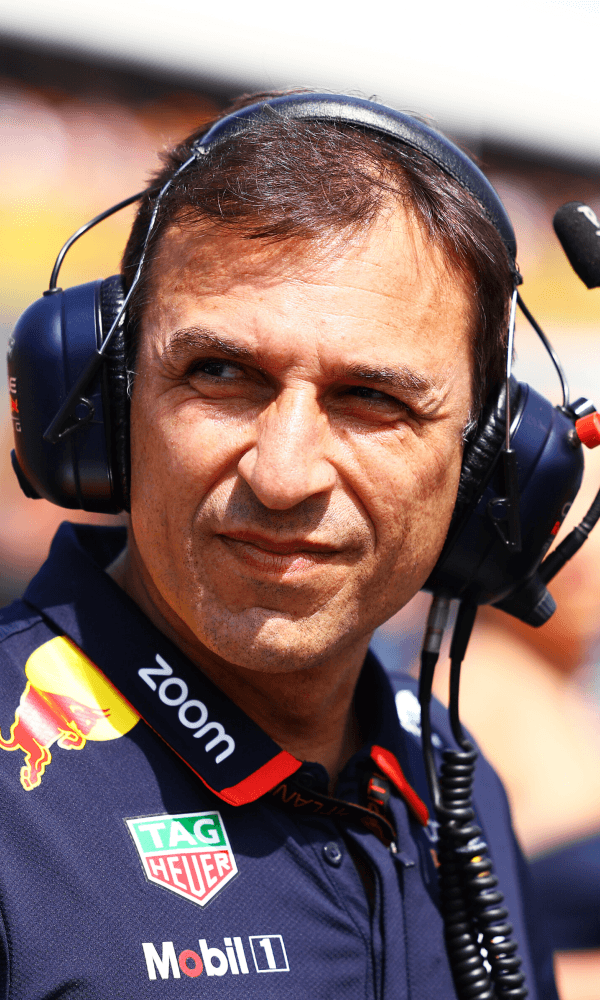
The period also brought significant personnel changes. Adrian Newey announced his departure from Red Bull Racing in 2024 and moved to Aston Martin in 2025. During almost two decades in Milton Keynes, he had a major influence on the design of the cars in which Vettel and Verstappen won their world titles. Technical director Pierre Waché continued to play an important role in the team's technical leadership.
Red Bull endured a difficult start to the 2025 season. Following Sergio Pérez's departure, Liam Lawson was given his chance, but was replaced by Yuki Tsunoda after just two grands prix. The Japanese driver was also unable to deliver results comparable to Verstappen's on a regular basis.
July 2025 brought one of the biggest organisational changes in the team's history. Christian Horner left his role as Red Bull Racing team principal after more than 20 years. He was replaced by Laurent Mekies, who had previously led sister team Racing Bulls. The end of 2025 also marked the departure of long-serving motorsport adviser Helmut Marko, who had been closely associated with Red Bull's driver programme.
Despite its difficulties, the team made significant performance gains during the second half of the season. Verstappen won eight grands prix and fought for a fifth world title until the final race. He ultimately finished second in the standings with 421 points, just two behind new world champion Lando Norris of McLaren.
Red Bull Racing ended the 2025 season third in the constructors' championship with 451 points.
Across its first 21 seasons in Formula 1, Red Bull Racing therefore won six constructors' world championships and eight drivers' titles, with Sebastian Vettel and Max Verstappen contributing four apiece. From its debut in 2005, it developed into a team capable of winning championships across different technical eras. The end of 2025 closed a long chapter associated with Horner, Newey and Marko, while Max Verstappen remained the central figure in its racing programme.

